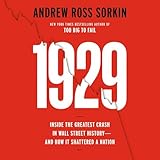
In the ever-evolving landscape of financial literature, few titles resonate with the weight of history quite like andrew Ross Sorkin’s 1929: Inside the greatest Crash in Wall Street History–and How It Shattered a Nation. Having immersed ourselves in its pages, we are compelled to share our reflections on a work that does more than recount events from nearly a century ago; it serves as a sobering reminder of the cyclical nature of markets, ambition, and human folly.
As we delved into this book, it quickly became clear why it has been heralded as a #1 New York Times Bestseller and one of Barack Obama’s favorite reads of 2025. Sorkin masterfully transforms the complexities of the Great Depression into an engaging narrative that is both informative and captivating. From the chaotic rumblings of Wall Street to the broader societal impacts,we found ourselves confronted with the astounding parallels between the events of 1929 and our contemporary financial landscape.
Through vivid storytelling and meticulous research, Sorkin transports us back to an era of roaring optimism-an age where fortunes were made and lost in the blink of an eye. It is a chronicle of visionaries and fraudsters, of heights reached and depths plummeted, echoing the anxieties and triumphs that still resonate within our current economic habitat. For anyone who seeks to understand the intricacies of financial crises, the psychological underpinnings of market behavior, and the relentless persistence of human ambition, 1929 promises both an enlightening and thought-provoking journey.
Join us as we explore the rich tapestry woven by Sorkin-a testament to how the events of 1929 continue to shape our understanding of finance, power, and society today. Buckle up, for we are about to uncover not just the story of a crash, but a reflection of our own times.
Table of Contents
Exploring the Depths of 1929: A Journey through Wall Street’s Darkest Hour

Exploring the depths of 1929 takes us on an unforgettable journey through Wall Street’s darkest hour. With the book “1929: Inside the Greatest Crash in Wall Street History-and How It Shattered a Nation,” we dive into a pivotal moment that reshaped America.It’s not just about stock prices; it’s about people, their ambitions, vulnerabilities, and the chaos that ensued. The storytelling is vivid and pulls us into the fray as we witness the euphoric highs and devastating lows of the financial world. Sorkin’s ability to present these events makes the narrative feel alive, engaging us every step of the way.
What really stands out is how relatable the characters become. As we traverse through the lives of visionaries and manipulators, it’s easy to see echoes of our modern financial world. From the debt-driven speculation to the eventual crash, Sorkin brings to light patterns that resonate today. His insight into human behavior during moments of greed and panic is both enlightening and sobering. We find ourselves connecting with the narratives of figures who lost it all, reminding us that ultimately, it’s the people behind the numbers who matter.
More than just a collection of facts, this book expertly interweaves ancient events with personal dramas, showing us the thin margins between success and disaster.Sorkin doesn’t shy away from the uncertainties and failures that characterized this era. He also does a fantastic job of explaining complex financial concepts in a way that any reader can grasp. It feels rewarding as we learn without feeling overwhelmed. By the time we get to the major characters like John Jacob Raskob, we appreciate not just their decisions but also the emotional landscape they navigated.
In our journey through Sorkin’s pages, the parallels with today’s world are striking, especially regarding debt and risk-taking behavior. While we may not be living in 1929, the lessons surrounding human nature and financial ethics are timeless. His approach encourages us to reflect on our current financial practices and the systemic issues that could lead to another crisis. Sorkin reminds us that history has a way of repeating itself if we’re not mindful. The essential takeaway is that understanding the past can empower us to make better choices moving forward. this engaging narrative is not just a history lesson but a vital reminder of the importance of vigilance in the ever-volatile world of finance.
Unpacking the Narratives: Key Features that Bring the Crash to Life
“1929: Inside the Greatest Crash in Wall Street History–and how It Shattered a Nation” dives deep into the multifaceted aspects of one of the most dramatic financial tragedies in history. What draws us in is how Sorkin takes a powerful narrative approach, delivering not just numbers, but a tale of real people caught in a storm. Instead of merely presenting a dull recounting of events, we are given a panoramic view of ambitions, dreams, failures, and the human psyche during tumultuous times.
The author effectively weaves a rich tapestry of personal stories with thorough investigative research. Sorkin draws on newly uncovered documents, giving us a backstage pass to the machinations of Wall Street and the tension with Washington. We get to connect with various figures like enterprising traders and skeptical financiers, making the historical context feel alive and relatable.It’s compelling how he manages to transform detailed financial strategies into engaging narratives that resonate with both financial novices and seasoned experts.
One of the standout features is Sorkin’s ability to clarify complex financial concepts without drowning us in jargon. For readers unfamiliar with terms like “stock pools” or “margin accounts,” we find them laid out in a clear, accessible way. This book serves not only to educate but to spark a curiosity about the intricate world of finance. We’re invited to understand the high stakes of leverage and risk, illuminating the emotional tenor of those who lived through the crash with honesty and empathy.
Moreover, the pacing of the book keeps us engaged; it moves swiftly through pivotal moments and critical decisions. Characters’ interactions are depicted in such a way that we can sense their urgency and desperation as events unfold. Sorkin’s candor regarding uncertainty also stands out. Instead of providing simple answers to complex questions,he acknowledges the gray areas,skillfully painting a portrait of a world where motivations varied and ambiguities ruled.
this book brilliantly encapsulates not just a historical event but the human experience behind it. Through Sorkin’s lens, we see how 1929 remains a potent reminder of the perils of excess, ambition, and the fragility of trust in our financial systems. It’s a gripping read that connects the past to the present, urging us to reflect on our financial behaviors today.
Reflecting on the Impact: Insights into the Social and Economic Ripple Effects
Reflecting on the impact of the 1929 stock market crash, we find ourselves immersed in a narrative that not only chronicles a pivotal moment in financial history but also highlights the profound social and economic ripple effects that continue to shape our world today. As we dive into “1929: Inside the Greatest Crash in Wall Street History,” we uncover how deeply intertwined the fates of individuals, institutions, and the nation itself became during that catastrophic period. The crash wasn’t merely an event; it was a seismic shift that altered american trust in financial systems and institutions, echoing lessons relevant even in our modern-day economic landscape.
Sorkin’s exploration goes beyond mere facts and figures; it captures the essence of human nature amidst economic turmoil. The narratives of real people, from ambitious financiers to everyday investors, remind us of the collective optimism and subsequent despair that characterized an era. We see, through their stories, how the crash reshaped societal norms and expectations. The immense trust in the booming stock market crumbled, leaving behind fertile ground for skepticism and caution. This shift wasn’t just financial; it acted as a catalyst for changes in policy, regulation, and the way Americans viewed wealth and security.
The economic lessons are potent. Post-crash reforms, such as the Glass-Steagall Act, were implemented in direct response to the chaos. These changes were intended to prevent such devastation from occurring again. However, the text hints at a cyclical nature of financial crises, leading us to ponder whether what happened in 1929 is a foreshadowing of today’s economic climate. With consumer debt soaring and financial systems under scrutiny today, the connections are eerily apparent. The book serves as a reminder that the excitement of new financial opportunities frequently enough comes with hidden dangers that can derail even the most optimistic outlooks.
In precisely dissecting the motivations and behaviors of those involved, we see a broader commentary on society itself. The crash exposed vulnerabilities not only in the financial market but in human behavior-notably our tendency toward greed and naivety. This connection between individual actions and larger economic forces serves as a critical reflection point for us as modern readers. We’re encouraged to examine our relationship with money, authority, and trust, and to recognize that the lessons from 1929 are far from obsolete. It compels us to remain vigilant, informed, and introspective regarding our economic choices.
Ultimately, we’re left with a richly detailed account that resonates with current challenges. By examining the intricate links between personal stories and systemic failures, we gain insights that prepare us for similar trials in the future. Sorkin’s portrayal encourages us to engage with our economic environment thoughtfully, emphasizing the importance of transparency and cautious optimism in navigating the unpredictable waters of the financial world.
Engaging with history: How this Book Enriches Our Understanding of Financial crises
Engaging with history is vital to understanding how financial crises shape our world, and “1929: Inside the Greatest Crash in Wall Street History” provides a vivid lens through which we can scrutinize one of the most notable events in financial history. By diving deep into this impactful narrative, we gain insights that go beyond mere statistics; we connect with the very human experiences behind the turmoil. the way Andrew Ross Sorkin weaves together the stories of various characters-visionaries, fraudsters, dreamers, and regulators-grants us a more nuanced grasp of the complexities that led to the Great Crash. This approach not only enriches our understanding but also encourages us to reflect on the emotional landscape of that era.
The book paints a relatable picture of a time filled with exaggerated optimism and the destructive potential of unchecked ambition. It highlights how human psychology, particularly during periods of speculation, can lead to extraordinary decisions that ultimately culminate in disastrous consequences. For us, as readers today, the lessons from 1929 resonate loudly in our current economic climate, echoing the warnings of past missteps. Sorkin masterfully avoids technical jargon, making this narrative accessible to everyone, whether seasoned investors or casual readers. We find ourselves engrossed in tales of individuals whose actions greatly impacted their lives and the greater market, linking their choices to broader economic themes.
One of the essential attributes of Sorkin’s work is his ability to maintain a neutral tone, allowing the events and characters to reveal themselves without overt judgment.as we explore the complexities and motivations behind the actions of those involved, we start to see not just a financial event but a saga that is remarkably relevant today. The author’s attention to human nature urges us to consider the timeless tendencies of greed and short-sightedness that can affect markets at any stage.This historical context serves as a vital reminder of the cyclical nature of crises and the continuing need for transparency and regulation within financial systems.
Engaging with “1929” compels us to view financial crises not merely as statistics in a textbook but as pivotal moments marked by real human experiences.the collective lessons we extract from these narratives shape our understanding of current economic practices and warnings we might ignore today. Sorkin’s exploration of these themes allows us to acknowledge how history not only serves as a record of the past but also as a guide for navigating our economic futures. With each page, we can feel ourselves reflecting on our behaviors, urging us to remain vigilant against repeating the patterns laid before us.
Our Final thoughts: Recommendations for Readers Ready to Dive Deep into the Past
When it comes to diving deep into the complexities and human elements of the past, “1929: inside the Greatest Crash in Wall Street History” emerges as a compelling journey. We found this book an eye-opener, shedding light not just on the market crash itself but on the societal impacts that followed. Its narrative style is engaging,keeping us hooked from the very first chapter to the last. The vivid depiction of characters and events paints a interesting picture of how individual actions can lead to widespread consequences.
What we appreciate most is how Andrew Ross Sorkin details the intricate web of personalities surrounding the crash. the way he humanizes these historical figures makes them relatable, which is often absent in dense financial histories. Their ambitions, flaws, and misjudgments resonate with our own experiences and fears today, emphasizing that history is not merely a story of numbers but of real people navigating their circumstances just as we do. We couldn’t help but feel the urgency in understanding these lessons as the echoes of the past reverberate through our current financial landscape.
This captivating book isn’t just a recounting of events; it provides context and clarity that helps us understand complex financial mechanisms without overwhelming jargon. For those of us who may not be financial experts, Sorkin’s approach makes the principles behind stock trading, market speculation, and economic policies accessible and engaging. his ability to simplify these concepts does wonders for enhancing our understanding, making it clear that the lessons drawn from 1929 are just as relevant today.
If we had to recommend “1929,” it would be for those willing to reflect on their current economic environment and consider the intricacies of human behavior and market dynamics. Sorkin’s extensive narrative serves as a prompt for deeper contemplation about our own financial decisions and the nature of our economic systems. It’s an essential read for anyone eager to connect the dots between past mistakes and potential futures. We believe that with its combination of gripping storytelling and valuable lessons, this book shoudl be on every history buff’s bookshelf, as well as on the list of those who simply want to understand our modern world a bit better.
For anyone curious about how these historical narratives relate to ongoing financial practices, now is the perfect time to grab a copy. Step into the past with us by exploring this essential read that expertly intertwines personal narrative and historical analysis. Don’t miss out on the chance to transform your perception of financial history through real human stories and insights. Check the latest price below:
Customer Reviews Analysis
Customer Reviews Analysis
As we delve into the collective opinions about “1929: Inside the Greatest Crash in Wall Street History–and How It shattered a Nation“, a remarkable tapestry of insights and reflections emerges, highlighting both the strengths and nuances of the book. readers seem to resonate with the author’s ability to blend rich historical narrative with insightful commentary on human nature and the complexities of financial systems.
Key Themes in Customer Reviews
| Theme | Highlights from Reviews |
|---|---|
| Engaging Writing Style | Readers appreciate Sorkin’s crisp and clean writing that avoids overly technical jargon, making complex financial topics accessible. |
| Character Depth | The diverse cast of characters, including bankers and politicians, is commended for their depth and the interconnections drawn between their actions. |
| Thematic Relevance | Many reviews note the book’s reflection on human nature, debt, and financial behavior, drawing parallels to current economic conditions. |
| Balanced Outlook | Readers admire Sorkin’s non-judgmental approach, presenting events and characters without imposing a particular stance. |
Overall Sentiment
In terms of sentiment, the reviews are overwhelmingly positive. Many reviewers laud the book as a “terrific read” and express gratitude for its historical detail and narrative pacing. Notably, readers emphasize that the work transcends mere financial analysis, offering a look into the human elements of a momentous event. The combination of strong storytelling and insightful analysis appears to resonate with a wide audience, making it both educational and enjoyable.
Highlighted Quotations
Here are a few poignant quotations taken from customer reviews that encapsulate the essence of their experience with the book:
- “Sorkin takes a broad cast of characters and intertwines their actions during the pivotal year leading up to the Great Crash.”
- “The writing is crisp and clean. You do not have to be a financial analyst to understand it.”
- “It is indeed a house of cards.”
- “The book is about much more than just the crash of 1929; it’s about human nature.”
our analysis of customer reviews reflects a consensus that “1929: Inside the Greatest crash in Wall street History” is not only a well-researched historical account but also a compelling narrative that remains relevant in today’s financial climate. This book is a recommended read for anyone interested in the intricacies of financial history and the enduring human stories behind it.
Pros & Cons
Pros & Cons
In our quest to determine if “1929: Inside the Greatest Crash in Wall Street History–and How It Shattered a Nation” lives up to its accolades as one of the best history books, we’ve compiled a succinct list of its pros and cons.
| Pros | Cons |
|---|---|
| Engaging Narrative: The storytelling style of Andrew Ross Sorkin captivates readers, making complex financial history accessible and engaging. | Data Density: While rich in detail, some readers may find the dense information overwhelming, requiring focused effort to digest. |
| timely Relevance: The parallels drawn between the 1929 crash and today’s financial landscape offer valuable insights that resonate in our current economic climate. | Heavy Reading: The in-depth analysis and historical references may deter casual readers looking for lighter content. |
| thorough Research: Extensive use of historical records and documents provides a well-rounded perspective on the events leading to the crash. | Character Focus: Some readers may prefer a broader focus on economic trends rather than the detailed character studies that dominate the narrative. |
| award-Winning Recognition: With multiple accolades from respected sources, the book is backed by critical acclaim that speaks to its quality. | Lack of Solutions: Even tho the book effectively chronicles the past, it may leave some readers wanting more in terms of actionable lessons for the future. |
“1929: Inside the Greatest Crash” presents a compelling look at one of history’s most critical financial events.While it offers a wealth of knowledge and insight, prospective readers should consider their preference for narrative depth and detail before diving into this illuminating historical account.
Q&A
Q&A Section
Q: What makes “1929: Inside the Greatest Crash in Wall Street History” stand out as a history book?
A: We find that this book excels in combining thorough research with vivid storytelling. sorkin’s narrative approach captivates us, making complex events from 1929 feel immediate and relevant. The use of newly uncovered documents and interviews provides a fresh perspective, allowing us to view the unfolding drama with clarity and engagement.
Q: How does this book compare to other financial history books we’ve read?
A: In our experience, Sorkin’s work goes beyond mere recounting of events. While many financial histories focus solely on data and statistics, “1929” emphasizes the human stories behind the crisis. The interplay of characters-visionaries, fraudsters, and the average investor-gives us a multifaceted understanding of the factors leading up to the crash.
Q: Does the book provide lessons that are applicable to today’s financial landscape?
A: Absolutely.We believe one of the book’s strengths is its relevance to contemporary issues. Sorkin draws parallels between the speculative behavior of the late 1920s and today’s market dynamics, highlighting recurring patterns and warning signs we often overlook. This aspect makes it not just a historical account but also a reflective tool for understanding current economic behaviors.
Q: Is the writing accessible for those who are not finance experts?
A: We were pleasantly surprised by how accessible the writing is. Sorkin’s clear prose and engaging style allow readers with varying levels of financial knowledge to grasp the complexities of the events. He avoids jargon where possible and takes time to explain crucial concepts, ensuring a wide readership can appreciate the material.
Q: Would we recommend this book to someone interested in history but not necessarily in finance?
A: Yes, we would recommend it wholeheartedly. “1929” is not just for finance enthusiasts; it’s a compelling historical narrative that delves into issues of power, societal change, and human psychology. Readers interested in social dynamics, political influences, or the roots of economic behavior will find much to engage with here.
Q: How does Sorkin portray the key figures involved in the 1929 crash?
A: in our view, sorkin does an exceptional job of humanizing the key figures, presenting them with both their ambitions and flaws. By sharing their motivations and mistakes, we gain insight into the psyche of those who played pivotal roles during this crisis. This nuanced portrayal helps us understand the broader implications of their actions.
Q: What type of reader would benefit most from reading this book?
A: We think “1929” is ideal for readers who appreciate in-depth narratives that blend history with profound lessons. Whether you’re a history buff, a current affairs follower, or someone interested in the evolution of financial markets, this book offers something valuable. It’s an important read for anyone keen on understanding the past’s impact on our present and future.
Q: Can we expect any captivating anecdotes or stories within the book?
A: Definitely! Sorkin weaves in many captivating anecdotes that bring the historical context to life. From high-stakes trading floors to government backroom deals, the stories provide a thrilling glimpse into the human experiences during one of history’s most turbulent times.We found ourselves drawn into the narratives and invested in the fates of the individuals involved.
“1929: Inside the Greatest Crash in Wall Street History” is not just a historical account but a timely reflection on the cyclical nature of financial markets, making it a must-read for history and finance enthusiasts alike.
Transform Your World
As we wrap up our exploration of “1929: Inside the Greatest crash in Wall Street History–and How It Shattered a Nation,” it’s clear that Andrew Ross Sorkin has crafted not just a recounting of events, but an intricate tapestry of human ambition and folly. This book serves as a compelling reminder of the cyclical nature of history and the perils of excess, making it essential reading for anyone interested in the dynamics of financial markets and their far-reaching impact on society.
We have journeyed through the pages filled with gripping narratives and meticulous research, witnessing the collision of dreams and disasters that defined an era. With its relevance echoing through today’s economic landscape, “1929” provides invaluable insights that resonate beyond the past, urging us to acknowledge the lessons we must heed as we navigate our own financial futures.
If you’re ready to delve deeper into this captivating account and uncover the intricate details that shaped modern america, we encourage you to check out the book for yourself. You can find it here. Happy reading!