Welcome to our latest product review, were we’re excited to dive into the enchanting world of English Lavender Seeds for Planting (Lavandula angustifolia). As avid gardeners and culinary enthusiasts, we’ve always had a fondness for herbs that not only enhance our dishes but also bring a touch of beauty to our garden spaces. These seeds promise a delightful blend of aromatic purple blooms and the potential for a variety of culinary applications, making them an intriguing addition to our growing collection.
In this post, we’ll share our firsthand experience with these hardy perennial seeds, exploring their cultivation challenges and rewards, and also their versatile uses in the kitchen and beyond.Whether you’re an experienced gardener looking to add a fragrant touch to your herb garden or a beginner seeking a resilient plant for your indoor pots, we invite you to join us as we unravel the qualities that make English Lavender a cherished staple in edible gardening.Let’s see if the sweet scent of success awaits us as we embark on this lavender journey together!
table of Contents
An In-Depth Look at Our English Lavender Seeds for Planting

If you’re a fan of fragrant blooms and the culinary delights provided by herbs, then our English lavender seeds (Lavandula angustifolia) might be just what you’re looking for. Known for it’s lovely purple flowers and delicate aroma, this hardy perennial is perfect for both outdoor gardens and indoor spaces. These seeds are not only suitable for adding beauty to your garden but also for culinary and craft usages, making them a great addition to any herb lover’s collection.
The seeds thrive in various environments. They do well outdoors in gardens, borders, and hedges, while also adapting nicely to indoor pots if you provide them with ample light and good drainage. What’s truly special about this variety is its versatility. The blooms are not only beautiful but also enhance teas, baked goods, soaps, and sachets with a soothing fragrance that can elevate everyday experiences. If you enjoy crafting or cooking, you’ll appreciate the many ways these aromatic flowers can be incorporated into your home.
That said,it’s important to remember that growing lavender can take a bit of patience. Like many gardeners, we certainly know the importance of following instructions closely. For these seeds, cold stratification is key to successfully initiating germination.Unluckily, some experiences have shown that the seeds can be a bit stubborn, requiring time before seeing results. It’s crucial for eager gardeners to remain persistent, as the rewards are indeed fragrant blooms that last for years once established.
Getting started with the seeds is simple, but we’ve learned that success varies with individual gardening experiences. While some may encounter challenges with germination, the fresh, untreated non-GMO seeds from a trusted American brand are always worth a try.Gardeners need to give them the care they deserve for a bountiful lavender harvest. We can’t deny that the anticipation of seeing those beautiful blooms emerge can be an incredible reward in itself.
If you’re considering bringing these charming seeds into your life, make sure to Check Latest Price and prepare for a delightful gardening adventure.
Exploring the Unique Characteristics of Lavandula angustifolia

When we think of fragrant herbs that can elevate our culinary and gardening experiences, English lavender (Lavandula angustifolia) surely stands out. This hardy perennial is not just beautiful to look at; its aromatic blooms are versatile in the kitchen and for crafting. We’ve found that the charm of this herb goes beyond aesthetics, making it a beloved choice for both indoor and outdoor gardens.
The allure of Lavandula angustifolia lies in its delightful fragrance. We’ve seen how its flowers enhance teas and baked goods, adding a hint of sweetness that brightens any dish. Additionally, its soothing scent can be infused into homemade soaps and sachets. This functionality makes it not only a treat for the senses but also a fantastic addition to our homes. Plus, these seeds thrive in various garden settings, whether in borders, hedges, or even potted indoors where they can bask in bright light.
Yet, it’s critically important to mention that growing English lavender from seeds does require a bit of patience. We must acknowledge that this variety has a slow germination process,which might be a slight hurdle for some. However, once established, the rewards are plentiful. The persistent gardener will be greeted with long-lasting, fragrant blooms that can elevate any garden space.
As a product from a family-owned seed company, we trust that these heirloom, non-GMO seeds are of high quality. We’ve seen first-hand the care that goes into ensuring these seeds are fresh and ready for germination. Although we encountered mixed experiences regarding growth,we believe that with the right conditions and care,Lavandula angustifolia can thrive beautifully.
Cultivating Culinary Delights: How to Use Our Lavender in the Kitchen

We love the idea of using our English Lavender in the kitchen! This culinary herb isn’t just for show; it enhances our dishes with its lovely fragrance and unique flavor. One of the best ways to use it is to incorporate it into teas. Imagine sipping on a soothing cup of lavender tea after a long day. All we need to do is steep the dried flowers for a few minutes to extract their delightful aroma. it’s fantastic for digestion too. Along with that, we can also add dried lavender to lemonade for a refreshing twist that will impress our friends during the summer months.
Baking with lavender is another delightful opportunity. We can easily infuse the flavor into cakes, cookies, or scones.Just a teaspoon of dried lavender can transform a simple recipe into a gourmet treat. it pairs beautifully with honey and lemon, making our baked goodies taste extraordinary. Plus, the fragrant blooms can be sprinkled over desserts like crème brûlée or ice cream, adding a touch of elegance that’s hard to resist. The versatility is fantastic,and we find ourselves experimenting more in the kitchen thanks to this hardy,perennial herb.
Lastly, we can’t overlook the crafting possibilities! The aromatic properties of lavender make it perfect for homemade sachets or potpourri. We can go the extra mile by adding dried lavender when making our own soaps or candles. It’s a simple way to create lovely gifts for loved ones or to enhance the ambiance of our homes. The scent is calming, creating a serene habitat. using our lavender in both culinary and craft endeavors lights up our creativity, making every culinary journey a sweet escape.
Ready to explore the culinary delights? Grab your English Lavender seeds today to start sprouting your garden aspirations! Check the current pricing below:
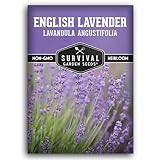
- CLASSIC ENGLISH LAVENDER – Lavandula angustifolia produces fragrant purple blooms with sweet flavor, ideal for culinary, herbal, and craft uses
- HARDY PERENNIAL HERB – Thrives in outdoor gardens, borders, and hedges, while also suitable for indoor pots with plenty of light and good drainage
- CULINARY & CRAFT USE – Aromatic flowers enhance teas, baked goods, soaps, and sachets, offering soothing fragrance and flavor for home and kitchen
- GERMINATION TAKES PATIENCE – Cold stratify seeds before planting, lavender germinates slowly but rewards careful gardeners with long-lived fragrant blooms
- FAMILY OWNED USA SEED COMPANY – Heirloom non-GMO seeds from a trusted American brand always fresh untreated and quality tested for garden success
Growing Insights: Tips for Success with Our Hardy Perennial

When it comes to growing our english Lavender Seeds, patience truly is the name of the game. This hardy perennial, known for its fragrant blooms and culinary uses, can take a little time to establish itself in your garden. We recommend starting by cold stratifying the seeds to mimic their natural winter conditions. This simple step can significantly improve germination rates, ensuring that even the moast diligent gardener gets rewarded with those beautiful purple flowers.
Next, let’s talk about light and space. Lavender thrives in full sunlight and well-drained soil, making it the perfect candidate for borders, hedges, or even containers on your patio. If we’re planting indoors, we should choose pots that have good drainage. This herb isn’t just about looks; those aromatic flowers can be used in teas, baked goods, and even soaps! It’s an all-around enriching plant for both the garden and our kitchen.
Lastly, remember that growing lavender is a journey. While it may take a couple of years before we see a mature plant, the act of nurturing these seeds is incredibly rewarding.With proper care and attention, we’ll enjoy a long-lasting display of fragrant blooms and deliciously scented culinary herbs. Let’s embrace the growing process, which can turn our gardening experience into something truly magical.
Final thoughts and Recommendations for Aspiring Lavender Gardeners
We truly believe that growing English lavender is an enriching experience, especially for aspiring gardeners or those simply looking to enhance their home with aromatic beauty. Lavender is not just a pretty face; it’s a hardy perennial that rewards patience and care with stunning blooms and delightful fragrance. With the right conditions and a bit of dedication, your garden can flourish with these lovely plants[^1^].
As noted earlier,germinating these seeds does require some patience and adherence to specific instructions,especially cold stratification to kickstart the process. We understand the process can be challenging; though, we encourage you to stick with it. The rewards of having your own english Lavender plants, filled with beautifully fragrant purple blooms, are worth every bit of effort[^2^]. So, if you have a little time on your hands and a passion for gardening, this journey promises to be a fulfilling one.
For those of us keen on culinary uses, think about all the ways we can use lavender in our kitchens. From infusing teas to baking delightful treats, this plant serves as a versatile addition to our recipe list. We always emphasize the importance of knowing which plants are safe for our furry friends. Keep in mind that lavender can be a little tricky for cats, so positioning plants wisely is essential[^3^]. With the commitment to care for these beautiful plants, we can undoubtedly transform our spaces into the fragrant retreats we’ve been dreaming of.
So, if you’re ready to embark on this gardening adventure, we wholeheartedly recommend starting with the English Lavender seeds. They can make a perfect addition to indoor pots or outdoor spaces, breathing life and fragrance into any environment. Your patience will pay off, both aesthetically and aromatically, and who doesn’t love a garden full of vibrant blooms? Let’s get started on cultivating our very own lavender patch today!Buy Now on Amazon
Customer Reviews Analysis

Customer Reviews Analysis
In our exploration of the English Lavender Seeds for planting,we’ve gathered insights from customers who had various experiences with the product. While lavender is widely cherished for its culinary uses and fragrant blooms, the feedback regarding these particular seeds has been a mixed bouquet of sentiments. Let’s delve into the reviews we’ve encountered.
| Review Summary | Positive Aspects | Negative Aspects |
|---|---|---|
| Seed Viability | none reported. | Several customers reported no seed germination despite following instructions. |
| Growth Expectations | sometimes, growth potential was acknowledged. |
Many users were disappointed to find that lavender can take 2-3 years to fully mature. |
| Customer Service | Some received refunds or exchanges. | Complaints about receiving crushed powder instead of seeds. |
| Safety Concerns | None noted. | A reminder about lavender’s toxicity to cats. |
Germination Frustration: A consistent theme among reviewers was the challenge of germination. We observed a significant number of individuals who,despite meticulously following the package instructions-including the fridge stratification suggestion-were unable to achieve any growth. This lack of success seems to lead to a sense of disappointment for many, indicating potential issues with seed viability.
Expectation vs. Reality: While lavender is a well-loved herb, some customers were caught off guard by the growth timeline, learning that it may take 2-3 years before they see flourishing plants. It seems a clear communication around the time it takes for lavender to establish itself would be beneficial for future buyers. A little patience goes a long way with this perennial herb!
Quality Control issues: Another concerning point raised by a few reviewers was receiving packages containing what appeared to be crushed powder instead of viable seeds. This issue significantly impacted customer satisfaction and raises questions about quality control for the product.
while we all adore the allure and utility of English lavender,our collective feelings about these seeds are tinged with caution. If you are considering purchasing, take note of the common challenges others have faced and prepare for the potential need for patience and diligence when planting. We hope this analysis helps you make a well-informed decision!
Pros & Cons

Pros & Cons
When considering whether to add English Lavender seeds (Lavandula angustifolia) to our gardens, it’s essential to weigh the benefits against the potential drawbacks. Here’s a closer look at what we see as the pros and cons of this versatile culinary herb:
Pros
- Versatile Culinary Use: The aromatic flowers of English Lavender enhance a variety of dishes, from teas to baked goods, providing a delightful flavor and soothing fragrance.
- Fragrant Blooms: With beautiful purple flowers, lavender not only adds aesthetic value to our gardens but also brings a pleasant scent that can elevate our outdoor and indoor spaces.
- Hardy Perennial: this plant thrives in various environments, whether in outdoor gardens or indoor pots, making it a flexible choice for gardeners.
- Non-GMO & Heirloom: as seeds from a family-owned American company,we can trust that these seeds are untreated and high-quality,perfect for enduring gardening.
- Long-Lasting Reward: Though germination takes patience, the long-lived blooms reward our gardening efforts with years of enjoyment.
Cons
- Slow Germination: One of the main challenges with English Lavender is its slow germination process, which may test the patience of eager gardeners.
- Cold Stratification Required: For successful planting, these seeds require cold stratification, adding an extra step for those looking for a rapid gardening project.
- Light and Drainage Dependent: Proper conditions are essential; lavender needs plenty of sunlight and well-draining soil, which may not be achievable for all indoor plant enthusiasts.
- Potential Pest Issues: While generally low-maintenance, lavender can attract certain pests, requiring occasional monitoring and care from us as gardeners.
Summary
while English Lavender seeds offer a robust array of advantages, including culinary versatility and beautiful blooms, they do demand some care and patience in the planting process. our experience with these seeds could be very rewarding, making them a worthwhile addition to our gardens when we are prepared for the commitment.
Q&A

Q&A Section for “”
Q1: What makes English Lavender (Lavandula angustifolia) a unique choice for culinary use?
A1: We love English Lavender for its aromatic qualities and culinary versatility. The fragrant purple blooms not only add a lovely scent to our gardens but also enhance various dishes, from teas to baked goods. Its sweet flavor can transform simple recipes into something special,making it a must-have for any culinary enthusiast.
Q2: Can we grow english Lavender indoors, and what are the requirements?
A2: Absolutely! English Lavender can thrive in indoor pots, provided they get plenty of light and are planted in well-draining soil. We recommend placing them near a sunny window or supplementing with grow lights.Ensuring good drainage is key to preventing root rot.
Q3: How do we properly germinate English Lavender seeds?
A3: Germinating lavender seeds does take some patience! We found that cold stratification helps improve germination rates. This means we should store the seeds in the refrigerator for a few weeks before planting them. After that, we can sow them in well-draining soil and wait for the delicate sprouts to emerge.
Q4: How can we use lavender beyond cooking?
A4: There are so many creative ways to use lavender! We can craft soothing sachets, incorporate it into homemade soaps, or even use the dried flowers for potpourri. The calming fragrance is perfect for enhancing any space, whether it’s in our kitchen or as part of our home décor.
Q5: Are these seeds suitable for beginner gardeners?
A5: we believe that English Lavender seeds are a great choice for both novice and experienced gardeners.While germination requires a bit of care, once established, lavender is quite hardy and low-maintenance. This makes it an excellent plant for beginners eager to cultivate a garden that offers beauty and culinary flair.
Q6: What should we certainly know about the longevity of lavender plants?
A6: one of the best things about English lavender is that it is indeed a hardy perennial, which means that once we successfully grow it, it can persist for many years.With proper care, including regular pruning and well-managed watering, our lavender plants can provide beautiful blooms and culinary benefits season after season.
Q7: is there anything to consider in terms of pests or diseases for lavender?
A7: Generally, English Lavender is resistant to many common pests and diseases. However, we should watch for issues like aphids or fungal infections, especially if plants are overwatered. Ensuring good air circulation and avoiding excessive moisture will help keep our lavender healthy and thriving.
Q8: Why choose seeds from a family-owned company?
A8: We’re always on the lookout for quality, and purchasing from a family-owned seed company often means we’re getting heirloom, non-GMO seeds that are quality tested for success. It feels good to support a trusted American brand that prioritizes fresh, untreated seeds, ensuring we start our gardening journey with the best possible resources.
We hope this Q&A section gives you a clearer picture of what to expect when growing and using English Lavender seeds in your garden!
Unleash Your True Potential
As we wrap up our review of the English Lavender Seeds for Planting, it’s clear that these delightful seeds offer more than just beautiful blooms.With their culinary and craft versatility, this hardy perennial stands out as a must-have for any garden enthusiast or culinary creator. Whether we’re planning fragrant teas, comforting baked goods, or simply adding a touch of tranquility to our indoor spaces, English lavender brings both charm and utility.
While nurturing these seeds requires a bit of patience and care, the rewards of watching them flourish into vibrant purple blossoms are truly worthwhile.Plus, supporting a family-owned, American seed company aligns perfectly with our commitment to sustainability and quality.So, if you’re ready to embark on this aromatic gardening journey, we wholeheartedly recommend giving these English Lavender Seeds a try. let’s transform our gardens and kitchens into fragrant retreats together!
For the best result, click here to get your own pack of English Lavender Seeds: Grab your seeds now!