In a world where conversations about politics frequently enough twist into confusion or frustration, we’ve all felt the overwhelming task of understanding how our government really operates. Enter “A User’s Guide to Democracy: How america Works,” a refreshingly insightful book that demystifies the intricate web of American governance. Written by the dynamic duo Nick Capodice and Hannah McCarthy, the ever-engaging hosts of new Hampshire public Radio’s Civics 101, along with the whimsical illustrations of New Yorker cartoonist Tom Toro, this guide promises to be both informative and entertaining.
As we delved into it’s pages, we found ourselves embarked on a lively crash course that covers everything from the basic functions of the legislative, executive, and judicial branches to the nuances of Federalism and local government.Have we ever felt lost when trying to explain the difference between Congress and the Senate? Admit it, we all have! This book stands as our key to unlocking those answers and more, making it the perfect companion for recapping political discussions with the family or simply brushing up on our civics knowledge.
In our review, we’ll explore how this guide not only enlightens us about the mechanics of our democracy but empowers us to engage meaningfully in the political process. With enlightening explanations, relatable anecdotes, and a touch of humor, Capodice, McCarthy, and Toro invite us all to better understand the system that shapes our daily lives. so, let’s dive into our thoughts on “A User’s Guide to Democracy,” a manual that could transform our political misgivings into informed conversations!
Table of Contents
Understanding Democracy Together Through A User’s Guide
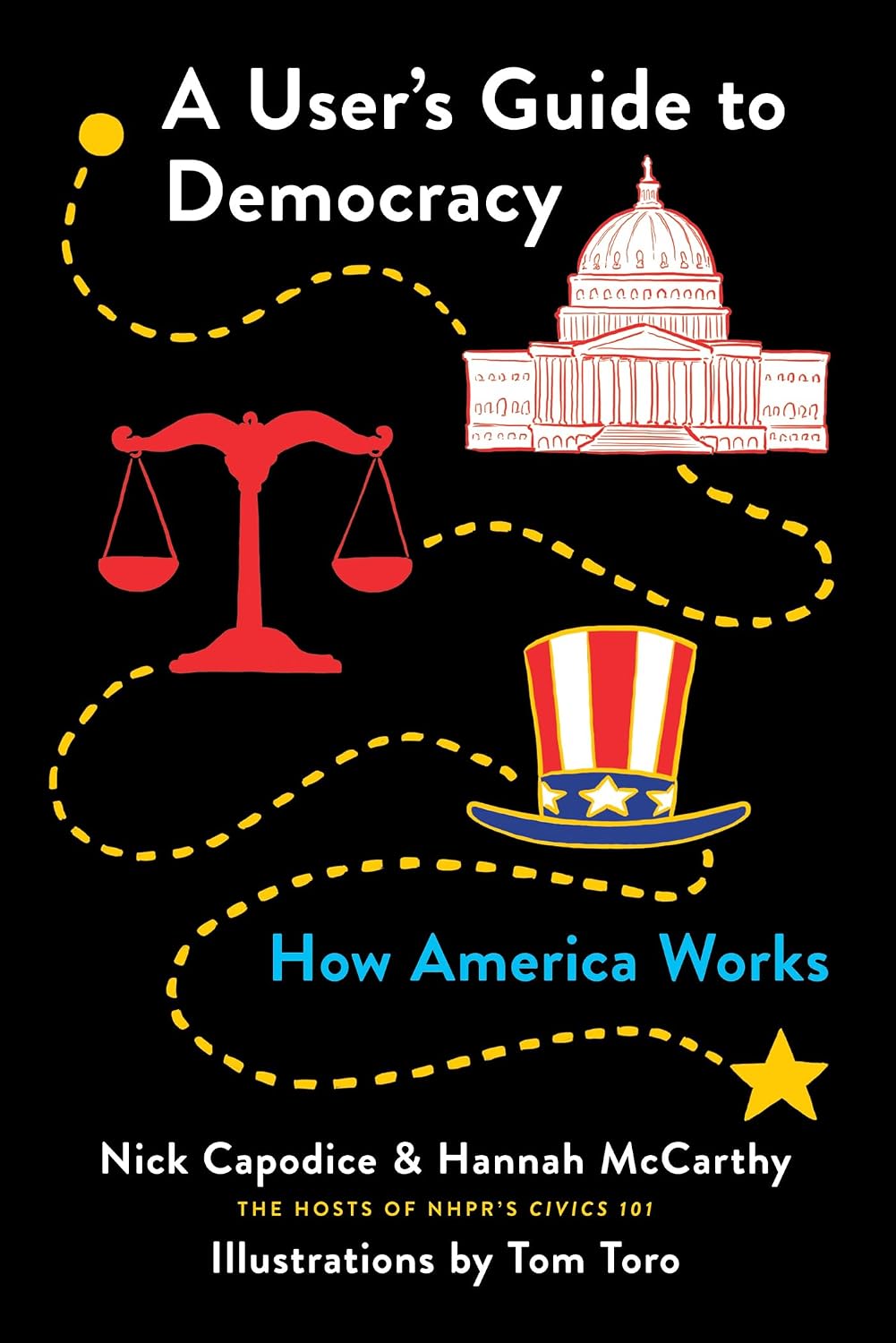
When we talk about understanding democracy together, we often find ourselves lost in complex jargon and historical references. That’s where “A User’s Guide to Democracy: How America Works” comes in handy. This lively book breaks down the intricacies of the U.S. government into digestible pieces. It’s like holding a conversation with a knowledgeable friend who can explain everything from the Constitution to how elections function in simple terms. We can all agree that sometimes, government processes can seem utterly bewildering, but this guide lights the way.
The book, illustrated by New Yorker cartoonist Tom toro, brings to life fundamental concepts like the three branches of government, the role of federalism, and the importance of civic engagement. We appreciate how the authors, Nick Capodice and Hannah McCarthy, draw from their experience as hosts of the Civics 101 podcast. This connection makes the guide feel both informal and informative, allowing us to navigate even the trickiest topics. It’s a go-to resource that sits proudly on our desks, ready to unravel the mysteries of government whenever we need it.
What stands out to us is how engaging the writing is. Many readers, including ourselves, find the humor woven through complex material refreshing. The authors don’t shy away from making it clear that understanding our government isn’t just for political enthusiasts-it’s for everyone. if you’ve ever felt intimidated by discussions about politics or civics, this book will help. We’ve watched as it helps parents homeschool their kids or even young adults embarking on their first voting experiences. It’s educational in a way that’s relatable and fun.
Lastly, the practical sections on how to engage with our government are invaluable. We learn about the process of lobbying, how to effectively communicate with our legislators, and even staging protests. It’s empowering to know that understanding democracy goes beyond passive observation; it involves active participation.The book serves as a reminder that democracy requires us to be informed, and this guide makes that possible.
Exploring key Features of A User’s Guide to Democracy
When we dive into “A User’s Guide to Democracy: How America Works,” we find ourselves presented with a well-structured and accessible guide to understanding the intricate workings of the U.S. government.One of the standout features is its commitment to making complex ideas easy to grasp. Whether we’re questioning what exactly the Secretary of Defense does or how the Electoral College operates, the book sheds light on these topics without overwhelming us. It serves as a fantastic resource that demystifies the processes that govern our lives.
Another feature worth mentioning is the engaging writing style of the authors, Nick Capodice and Hannah McCarthy. Their conversational tone captures our attention as they break down data into bite-sized sections. The use of humor and relatable examples keeps the reading experience enjoyable. We appreciate how the book is illustrated by New Yorker cartoonist Tom Toro, as it adds a lively visual aspect that complements the content. It’s not just about reading; it feels like we’re having a fun discussion with friends about democracy.
The practical nature of the content also stands out. This isn’t a dry textbook. We can use it as a reference for daily discussions or moments when we need clarity on current events. The chapters are organized neatly,allowing us to easily find information about everything from the three branches of government to how we can effectively communicate with our legislators. This user-centered approach means that it’s designed for folks just like us who want to engage with the democratic process more actively.
Ultimately, “A User’s Guide to Democracy” is not just about learning; it’s about empowering us to participate in our democracy with confidence. As we read along, it’s almost like we’re preparing ourselves to engage in conversations with family during Thanksgiving dinners, armed with a better understanding of how our government functions. The book provides context and clarity, which is crucial, especially in today’s fast-paced political climate.We can’t help but feel that this guide is an essential tool for both newcomers to civics and those looking to refresh their knowledge.
Delving Into the Insights We Gained from the Content
Delving into the insights we gained from “A User’s Guide to Democracy: How America Works” has truly been an enlightening experience. This book breaks down the complexities of the American government in such a relatable way that we can’t help but think it should be a staple on everyone’s coffee table. The authors, Nick Capodice and Hannah McCarthy, bring their extensive knowledge and lively podcast demeanor into the pages. it’s a delightful mix of humor and solid information that manages to captivate us from start to finish.
We notably enjoyed how the book presents vital lessons on democracy in digestible bites. It answers common questions like the role of the Secretary of Defense and the difference between the House and Senate with clarity. The illustrations by Tom Toro add a layer of charm, turning what could be a dense read into something much lighter and more entertaining. It’s clear that each section is crafted with an understanding of what readers genuinely want to know. We gained insights not just into governmental functions but also practical advice on civic participation and advocacy.
One of the standout aspects for us is the contextual understanding the authors provide. Rather than just throwing facts at us, they weave in historical anecdotes and personal stories that resonate. This makes it easier to relate to complex topics like federalism and the electoral process. We found ourselves revisiting sections just to grasp the nuances they presented. For anyone feeling lost in the heavy waters of political jargon, this guide is the life raft we didn’t know we needed.
our dive into this guide has enriched our understanding of democracy and its inner workings.We’ve come to appreciate the importance of being informed and engaged citizens. “A User’s Guide to Democracy” not only provides knowledge but also inspires us to get involved and make our voices heard. we wholeheartedly believe that more people should pick up this book to explore the intricate structures of our government in an enjoyable way.
practical Applications: How We Can Use This Guide
this guide is a great tool for anyone wanting to understand how democracy works in America. It breaks down complex political concepts into digestible pieces that anyone can grasp.Whether we’re discussing the inner workings of our government or how to make our voices heard, this book serves as a valuable resource. It equips us with the knowledge to tackle discussions about politics confidently.
In practical applications, we can utilize this guide in our everyday lives. Imagine using the insights from this book while engaging in conversations at social gatherings or community meetings. It provides clarity on topics like the Senate, the House of Representatives, and even Federalism-subjects that can be confusing! By grounding ourselves in the accurate information presented in this book, we can contribute meaningfully to dialogues around civic engagement and governance.
This book also shines in educational settings. For those of us who homeschool or guide younger generations, it’s an excellent resource. we can integrate lessons from it into our civics curriculum.It presents complex topics in an easy-to-understand format, making it enjoyable for kids and adults alike. With illustrations and humor sprinkled throughout, it keeps learning engaging and fun.
Additionally, if we want to become active participants in democracy, this guide lays out actionable steps. It covers everything from communicating effectively with legislators to staging protests and even running for office. This roadmap empowers us to take action and advocate for the issues that matter to us.
Ultimately, A User’s Guide to Democracy encourages us to become informed citizens.Armed with knowledge, we can navigate the political system more effectively. whether we’re reading it for ourselves or sharing it with others, this book is a crucial step toward understanding and actively participating in our democracy.
Our Recommendations for Making the Most of This Resource
When diving into “A User’s Guide to democracy,” we should keep a few recommendations in mind to fully appreciate the wealth of knowledge it holds. Firstly, it’s essential to set aside some focused time to read. The book provides a crisp, informative breakdown of how democracy works in the United States, so we might want to grab a cozy spot and read it cover to cover. Doing so will allow us to absorb the information in its intended sequence, gaining a deeper understanding of each branch of government and how they interconnect. This is particularly useful for those of us who find customary civics lessons a bit dry.
Another great way to maximize our experience is by taking notes or highlighting key points as we read. By capturing these insights, we can turn this resource into a personalized study guide. The illustrated elements bring the material to life, so we might find it helpful to reflect on our thoughts about these illustrations. Moreover, discussing the content with friends or family, especially those curious about political systems, can create stimulating conversations and help reinforce our understanding.Sharing our newfound knowledge might encourage others to explore the book too.
If we’re looking to study specific topics in-depth, don’t hesitate to flip straight to the indexes or sections that intrigue us the most. This book is structured so that quick reference is absolutely possible. We could use it in conversations or when consuming news to quickly recall insights about the government and civic engagement. Each chapter is designed to stand alone, which means we can easily engage with any part of the book as an independent topic. This feature drastically boosts its accessibility, especially during news cycles filled with political discussions.
For those of us who prefer auditory learning, consider pairing the book with its corresponding podcast episodes. Listening to “Civics 101” can enhance our understanding, especially if we find ourselves struggling to get through certain sections. Combining these resources can create a multi-faceted learning experience. Whether we dive into the complex topics in-depth or skim through certain chapters, we can interact with the material in ways that suit our preferences.
Lastly, once we’ve read it, sharing our thoughts on social media or in community groups can spark discussions with others. The questions posed by the authors throughout the book invite readers to think critically about democracy and civic responsibility. This could be a splendid way to elevate our conversations about the issues that matter most and inspire others to explore this conversation starter as well. So let’s take this journey, armed with our newfound knowledge and ready to engage more meaningfully with the world around us!
Customer Reviews Analysis
Customer Reviews Analysis
In our exploration of A User’s Guide to Democracy: How America Works, we’ve sifted through a plethora of customer reviews to assess what readers truly think about this civic education resource. The feedback we received paints a diverse picture, showcasing both praise and constructive critiques that help us understand the book’s overall value.
Overview of Feedback
| Positive Aspects | Areas for Improvement |
|---|---|
| Engaging and humorous writing style | Small print size in the hard copy |
| Excellent audiobook version praised for its narration | Some readers found it hard to finish the printed version |
| Offers profound insights into democracy and government structure | Readers desire more captivating content throughout the book |
| Accessible explanations of complex topics | some felt it didn’t reach the depth they expected |
Highlights from Reviews
Many customers regard the book as a “great resource” for understanding the foundations of democracy. For instance, one reviewer expressed that the authors “did a superb job in keeping the readers’ interest,” noting the integration of illustrations that enhance the reading experience. Another echoed this sentiment, stating that the book was a “compass and guiding light” during challenging times, especially considering recent political climate shifts.
Audiobook vs. Print
Interestingly, feedback indicates a strong preference for the audiobook format among several readers.One enthusiastic reviewer remarked on how the audiobook, narrated by the authors hannah and Nick, made complex themes much more digestible. In contrast, others found the physical book daunting due to its “beastly” length and small print size. This highlights a division that many modern readers face when choosing between traditional and digital mediums.
Encouragement for Civic Engagement
A recurring theme in the reviews is the book’s potential to spark civic engagement. Several users voiced that understanding how the government works is crucial in today’s socio-political landscape.One review enthusiastically stated, “If more people took the time to READ about how our government works, we may not be where we are today.” This sentiment clearly reflects the book’s aim to empower individuals with knowledge and encourage active participation in democracy.
Final Thoughts
our analysis of customer reviews for A User’s Guide to Democracy: How America Works reveals that while the book is celebrated for its engaging content and educational value, it also faces challenges related to its physical format and varying engagement levels among readers. It’s evident that for many, this book is more than just a guide; it acts as a bridge to a deeper understanding of civic responsibilities and governmental workings.
pros & Cons
Pros & Cons of “A User’s Guide to Democracy”
As we delve into the nuances of “A User’s Guide to Democracy: how America Works,” we believe it’s essential to consider both the strengths and weaknesses of this civic education book. Below, we have compiled a straightforward list of the pros and cons to help us make an informed decision.
| Pros | Cons |
|---|---|
| Engaging and accessible writing style that demystifies complex topics. | Some readers may find it lacks in-depth analysis on controversial subjects. |
| Illustrated by New Yorker cartoonist Tom Toro, adding a unique visual appeal. | Occasional oversimplification could leave experienced readers wanting more. |
| Perfect for quick reference and refreshing our civics knowledge before discussions. | limited coverage of specific historical events may not address all areas of interest. |
| Organized structure with clear sections on branches of government, elections, and civic engagement. | Some might find the content too basic if they are already well-versed in civics. |
| Offers practical advice on how to engage with the democratic process. | May not satisfy those looking for a scholarly approach to civic education. |
“A User’s Guide to Democracy” stands out as a valuable resource for civic education, though it may have limitations for some readers. As we consider our needs and existing knowledge, this book could be a vital addition to our understanding of democracy and its workings in America.
Q&A
Q&A Section: A User’s Guide to Democracy Review
Q1: Who is the target audience for this book?
A: “A User’s Guide to Democracy” is designed for everyone-whether you’re a student who wants to refresh your civics knowledge or an adult who feels a bit lost when discussing politics. We believe that anyone who has ever wondered about how the government operates will find this book valuable. It caters to people of all ages,including those who may have forgotten what they learned in school.
Q2: What makes this book different from other civics guides?
A: This guide distinguishes itself with its engaging and approachable style, much like the captivating discussions from the Civics 101 podcast that inspired it. Authors Nick Capodice and Hannah McCarthy break down complex concepts into digestible chunks and sprinkle in humor thanks to illustrations by New Yorker cartoonist Tom Toro. It’s not just a manual; it’s a lively crash course that aims to make civics captivating rather than intimidating.
Q3: Can this book help me understand current political events?
A: Absolutely! In this book, we delve into essential topics like the three branches of government and the electoral process. By understanding these frameworks, we can better interpret what we see in the news. It serves as a handy reference to clarify those bewildering headlines and make sense of ongoing political discussions.
Q4: What topics are covered in the book?
A: The book covers a wide array of topics essential for understanding American democracy, including the roles of the legislative, executive, and judicial branches, the workings of federalism, and details about elections and political parties.It even touches on historical documents like the Constitution and discusses landmark Supreme Court cases. Additionally, chapters on how to communicate with legislators and engage in activism provide practical advice for civic participation.
Q5: Is the book suitable for someone who is totally new to civics?
A: Yes,indeed! The book is geared towards demystifying the complicated landscape of American civics,making it ideal for beginners. It distills the fundamental principles and processes of government without assuming prior knowledge. Whether you’re starting from scratch or merely brushing up, we think you’ll find it approachable and informative.
Q6: What format does this book come in? Is it available in digital form?
A: “A User’s Guide to Democracy” is available in both print and digital formats. You can choose to have it as a physical book to reference quickly or as an eBook if you prefer reading on a device. The digital version is equipped with features like enhanced typesetting and X-Ray, offering an interactive reading experience.
Q7: Why should I invest my time in reading this book?
A: investing time in “A User’s guide to Democracy” can empower us as informed citizens ready to engage with the political system. It equips us with the knowledge necesary to participate actively in democracy, whether that involves voting, lobbying, or even running for office someday. Understanding the mechanics of our government can foster productive conversations and, ultimately, contribute to making our voices heard.
Q8: How do the authors’ backgrounds influence the book’s content?
A: Both Nick Capodice and hannah McCarthy bring substantial expertise as educators and communicators in civics. Their experience hosting the Civics 101 podcast means they know how to break down complex topics and engage audiences. Their passion for making civics accessible permeates the book, offering readers a friendly guide through often-overlooked governance essentials.
We hope that this Q&A section helps clarify any questions you may have about “A User’s Guide to Democracy.” If you’re ready to deepen your understanding of how our government works, this guide is an excellent place to start!
Elevate Your Lifestyle
As we wrap up our exploration of *A user’s guide to Democracy: How America Works*, we can’t help but feel invigorated by the wealth of knowledge Nick Capodice and Hannah McCarthy bring to the table. This isn’t just a book; it’s a toolkit for navigating the complexities of our government and an invaluable asset for anyone who finds themselves grappling with the intricacies of civic engagement. With insights that demystify everything from the legislative process to the importance of your vote, it’s a guide that empowers us to not only understand but to actively participate in shaping our democracy.
Whether you’re looking to bolster your grasp of civics for personal growth or to engage more meaningfully in discussions about our nation’s future, this book stands as an essential resource.It’s designed for readers of all backgrounds-whether you’re a first-time voter or someone reconnecting with civic lessons.
So,if you’re ready to transform confusion into confidence,we encourage you to get your hands on a copy of *A User’s guide to Democracy*. Let’s delve into the mechanics behind the headlines and truly understand how our government operates-because being informed is the first step to making a difference.
Join us in this journey of learning and empowerment. Grab your copy today by clicking the link below, and let’s turn civic knowledge into action!