

Price: [price_with_discount]
(as of [price_update_date] – Details)
The Best Starter DSLR Camera: A Comprehensive Guide
Introduction
Are you looking to dive into the world of photography but don’t know where to start? Choosing the best starter DSLR camera can feel overwhelming with so many options available. Whether you’re a complete beginner or someone who wants to upgrade from a point-and-shoot camera, having the right equipment can make all the difference in your photography journey. In this guide, we will explore various aspects of starter DSLR cameras, providing practical insights to help you make an informed decision. We’ll cover everything from essential features to the best models available, ensuring that you find the perfect camera for your needs.
Understanding DSLR Cameras
What is a DSLR Camera?
Before we delve into the best starter DSLR cameras, let’s clarify what a DSLR camera is. DSLR stands for Digital Single-Lens Reflex. These cameras use a mirror mechanism to reflect light from the lens up into an optical viewfinder. This allows you to see exactly what you are capturing, which is a significant advantage over compact cameras.
Benefits of Using a DSLR
One of the main reasons to consider a DSLR as a starter camera is the versatility it offers. You can change lenses based on your photography needs, whether you want to capture landscapes, portraits, or action shots. DSLRs typically perform better in low light conditions and offer faster autofocus, making them ideal for various shooting scenarios.
Key Features to Look for in a Starter DSLR
Image Quality
When searching for the best starter DSLR camera, image quality should be at the forefront of your considerations. Look for a camera with a larger sensor size, as this can significantly enhance the quality of your images. APS-C sensors are common in entry-level DSLRs and provide excellent image quality while being more affordable.
Ease of Use
As a beginner, you want a camera that’s user-friendly. Look for models that come with automatic modes as well as manual controls. This allows you to start shooting right away while giving you the option to learn more advanced techniques as you become comfortable with your camera.
Lens Options
The ability to change lenses is one of the biggest advantages of DSLR cameras. When choosing a starter DSLR, check the availability of compatible lenses. A good starter kit may include a basic zoom lens, but having access to additional lenses will allow you to expand your photography skills in different directions.
Top Starter DSLR Cameras
Canon EOS Rebel T7
The Canon EOS Rebel T7 is widely regarded as one of the best entry-level DSLRs. With a 24.1 MP sensor, it produces stunning images with vibrant colors. The camera also features built-in Wi-Fi and NFC for easy sharing. Its guide mode is particularly helpful for beginners, providing step-by-step instructions on how to adjust settings to achieve the best results.
Nikon D3500
Another great option is the Nikon D3500. This camera offers a 24.2 MP sensor and an impressive battery life, allowing you to shoot for extended periods without needing to recharge. Its user-friendly interface and "Guide Mode" make it easy for beginners to understand the basics of photography. Plus, its compact design makes it easy to carry around.
Pentax K-70
If you’re looking for something a little different, consider the Pentax K-70. This camera is weather-sealed, making it a fantastic option for outdoor photographers. With a 24 MP sensor, it captures beautiful images, and its tilt-angle LCD screen is excellent for shooting from various angles, which is perfect for creative photography.
Accessories to Enhance Your Photography
Essential Accessories
When starting your photography journey, it’s essential to have a few accessories that can enhance your experience. A good camera bag is crucial for protecting your equipment. Additionally, consider investing in a sturdy tripod for stable shots, especially in low light conditions.
Lenses to Consider
As you grow your photography skills, you may want to explore different types of lenses. A prime lens, such as a 50mm f/1.8, is an excellent addition for portrait photography, while a wide-angle lens can be beneficial for landscapes. Research various lenses to find which ones align with your photographic interests.
Tips for Getting Started with Your DSLR
Learn the Basics
Once you have your starter DSLR camera, take the time to learn the basics of photography. Familiarize yourself with the different shooting modes, such as aperture priority and shutter priority. Understanding how these settings affect your images will greatly improve your photography skills.
Practice, Practice, Practice
The best way to become proficient with your DSLR is to practice regularly. Take your camera with you wherever you go and experiment with different settings and compositions. Don’t be afraid to make mistakes; they are part of the learning process.
Join Photography Communities
Consider joining online photography communities or local clubs. Sharing your work and getting feedback from others can be incredibly beneficial. Plus, you’ll find inspiration by seeing the work of fellow photographers.
Conclusion
In conclusion, choosing the best starter DSLR camera is a crucial step in your photography journey. Cameras like the Canon EOS Rebel T7 and Nikon D3500 offer excellent features that cater to beginners, while providing room for growth as you develop your skills. Remember to look for a camera that is easy to use, produces high-quality images, and has a variety of lens options. With the right equipment and a commitment to learning, you’ll be well on your way to capturing stunning images. So, take the plunge and start your adventure in photography today!
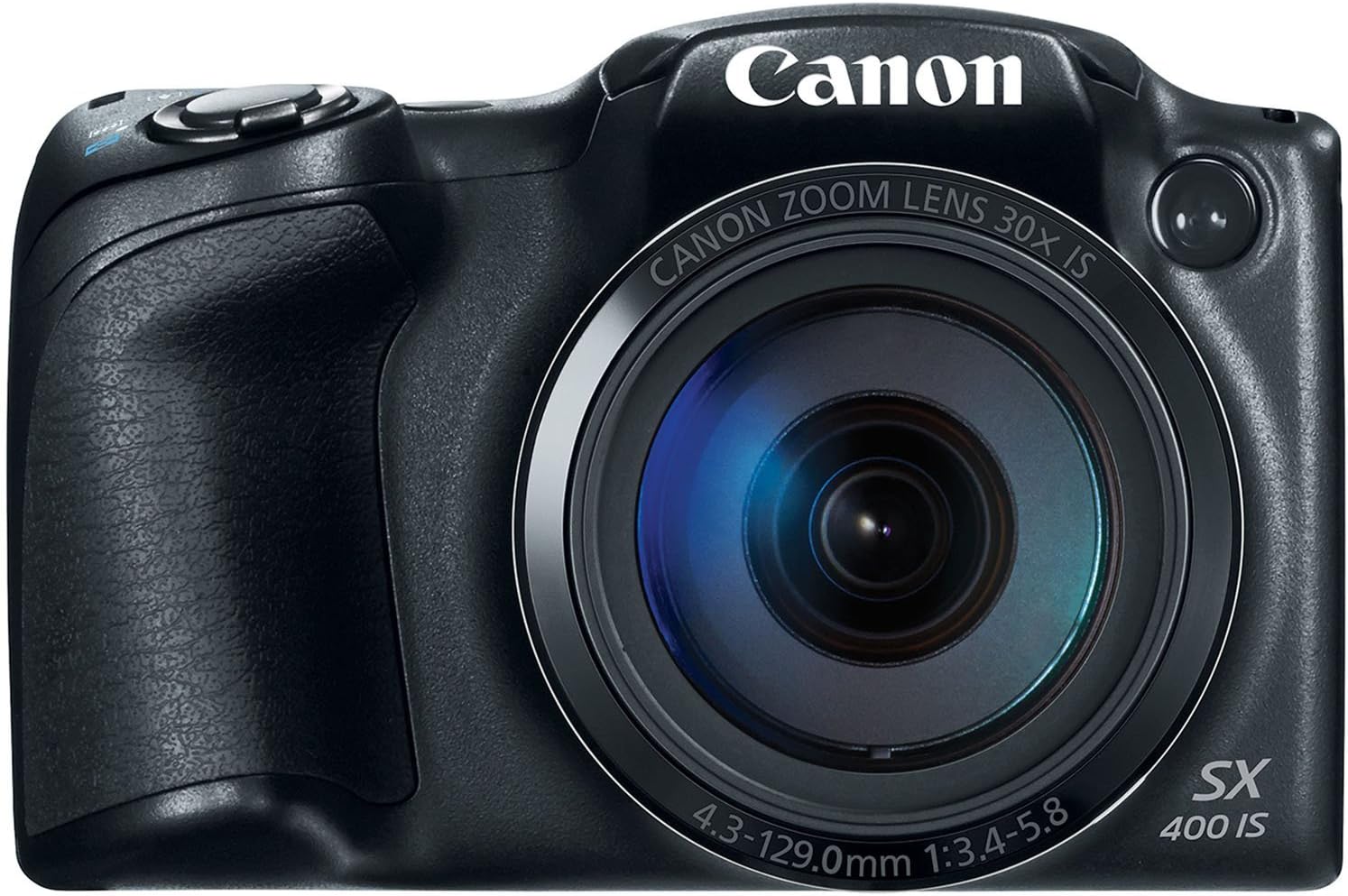
30x Optical Zoom (24-720mm) and 24mm Wide-Angle lens
16.0 Megapixel sensor combined with the Canon DIGIC 4+ Image Processor
Capture impressive 720p HD video with a dedicated movie button and zoom while shooting
High Speed AF greatly helps improve focus speed
Smart AUTO intelligently selects the proper settings for the camera based on predefined shooting situations