performance

Chromebook Showdown: 11" vs. 13.3" Convertible Flex for Travel

Chromebook Showdown: 11″ vs. 13.3″ Convertible Flex for Travel

Chromebook Showdown: 11″ vs. 13.3″ Convertible Flex for Travel

When it comes to on-the-go computing, the debate between compact 11″ and versatile 13.3″ convertibles is as enduring as it is practical. Each size offers a unique balance of portability and performance, and the latest models from Acer, Lenovo, and Google cater to travelers seeking both.

The 11″ brigade includes the Acer Gateway 311 (11.6″) with its star-black design and Intel Celeron N4500 processor, ideal for basic tasks and lightweight portability. The Lenovo Chromebook Duet 2025 offers a slightly smaller 10.95″ WUXGA IPS touch display paired with MediaTek Kompanio 838, blending sleekness with a twistable form factor that transforms into a tablet. Meanwhile, the Google Pixelbook Go steals the spotlight with its “just black” aesthetic and up to 12-hour battery life, proving that a lightweight design doesn’t have to compromise on screen quality or touch capabilities.

But for those craving a larger canvas, the 13.3″ convertible Acer Chromebook Spin 513 steps up with a Corning Gorilla Glass display, a backlit keyboard, and Qualcomm Snapdragon 7c processing-perfect for productivity while still fitting into a backpack. The Acer 311 CB311-12H-C5Y7 (11″) brings a refreshing twist with Intel N100 performance and Wi-Fi 6E, blending power with a subtle, silver finish.

Design-wise, the 11″ models prioritize size and ease of transport, while the 13.3″ offerings emphasize a more immersive viewing experience. The Duet 2025 and Spin 513 both benefit from convertible hinges, but the Spin’s Gorilla Glass screen adds a layer of ruggedness for those navigating rough travel conditions. The Pixelbook Go, meanwhile, leans into simplicity, with its near-silent operation and minimalistic build.

Ultimately, the choice hinges on your priorities: a tiny, no-frills companion for daily commutes or a larger, flexible device for both work and play. Each Chromebook brings its own story to the table, and the right one depends on whether your travels demand a pocket-sized device or a screen that can keep up with your ambitions.

Chromebook Showdown: 11″ vs. 13.3″ Convertible Flex for Travel Read More »
Cross-Training Showdown: Compared for Comfort & Performance

Cross-Training Showdown: Compared for Comfort & Performance

Cross-Training Showdown: Compared for Comfort & Performance

When it comes to cross-training, the right gear can make all the difference. Whether you’re crushing deadlifts, sprinting across the gym, or conquering trails, your shoes need to balance support and freedom. Let’s dive into a showdown of five standout options that dominate the fitness scene.

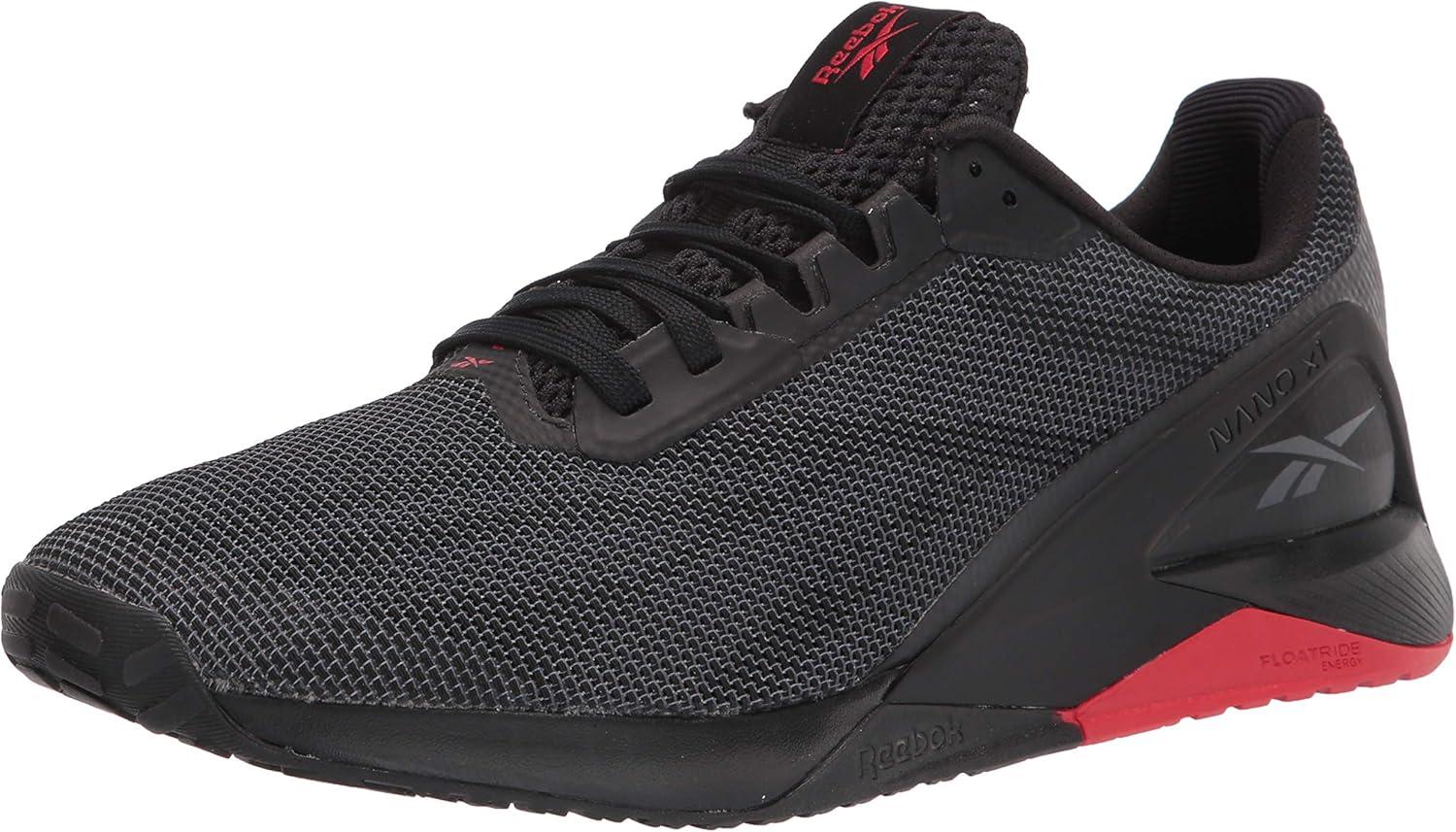
The Fitness Shoes Deadlift Shoes Cross-Trainer Sneakers for Men and Women are the versatile workhorse of the bunch, blending stability for heavy lifts with flexibility for lateral movements. Reebok’s Nano Cross Training Shoes elevate the game with engineered cushioning and a durable outsole, ideal for those who demand both comfort and precision. Meanwhile, the adidas Unisex-Adult Powerlift 5 leans into performance with a snug fit and traction-focused design, catering to powerlifters and gym warriors alike.

For a bold, minimalist approach, MANUEKLEAR Deadlift Shoes offer a featherlight feel with strategic cushioning, while the WHITIN Women’s Barefoot & Minimalist Shoe redefines freedom with its zero-drop sole and trail-ready tread. And then there’s the Men’s Barefoot Shoes-a design that merges barefoot aesthetics with gym durability, prioritizing natural movement over flashy features.

Each contender brings its own flavor: from the structured support of deadlift-focused models to the barefoot liberation of minimalist runners. Whether you’re chasing strength, agility, or a touch of rebellion, the showdown is on. Which pair will rise to the top? The answer lies in your goals-and your feet.

Cross-Training Showdown: Compared for Comfort & Performance Read More »

Aluminum Radiator Showdown…1978-1991 Chevy Tests Tri-Core Efficiency

Aluminum Radiator Showdown…2025-2025 Chevy Tests Tri-Core Efficiency

Aluminum Radiator Showdown…1978-1991 Chevy Tests Tri-Core Efficiency

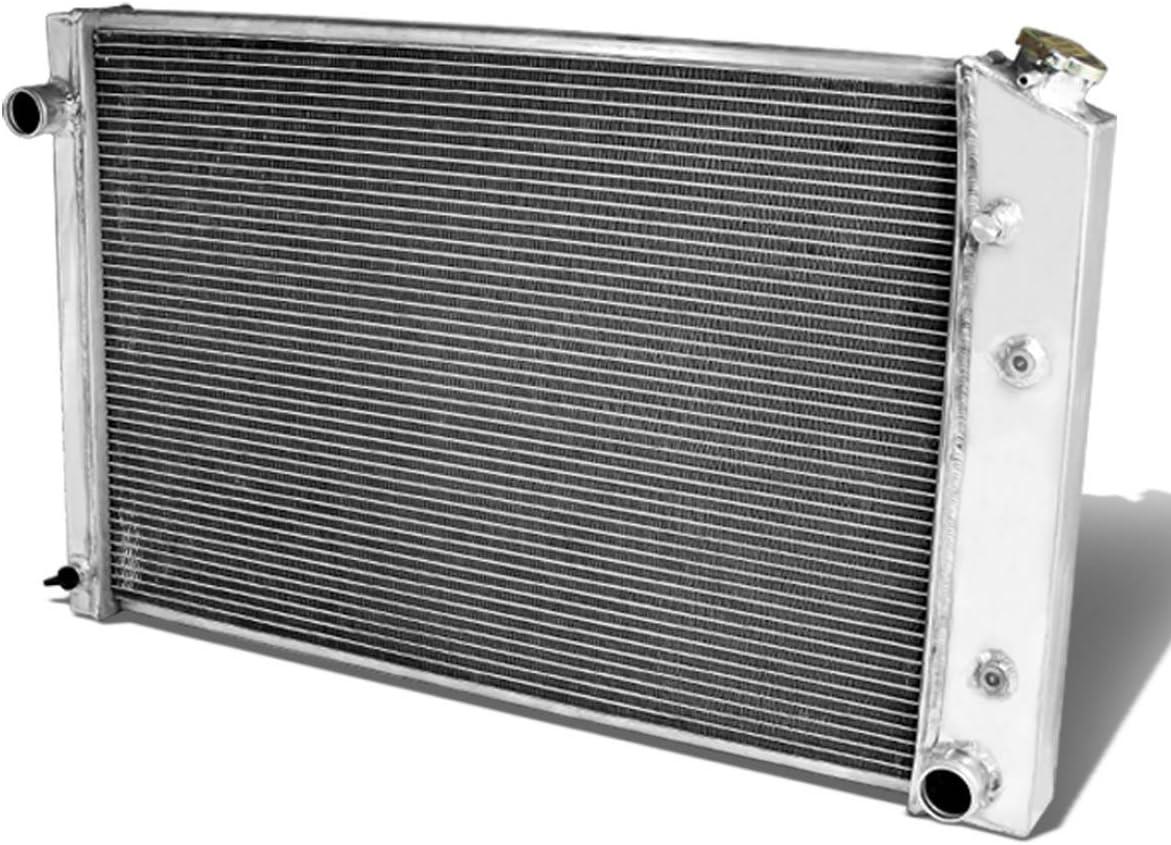
When we installed the Auto Dynasty Full Aluminum Radiator on our late 80s C/K-series truck, we were impressed by its sleek design and sturdy construction. Compatibility with 1978-1991 Chevy GMC models ensured we didn’t need to hunt for parts—just pop it in and go. The 2-row, tri-core layout caught our attention too; it promises better airflow without sacrificing space in the engine bay.

After a few pwd trips, we noticed our engine ran cooler than before, even under load. The corrosion-resistant aluminum shell gives us confidence it will last longer than the stock steel unit we replaced. For us, this radiator isn’t just a swap—it’s a smart upgrade for extreme durability and performance. Sure, aluminum radiators are pricier, but the efficiency and reliability feel worth it.

Aluminum Radiator Showdown…2025-2025 Chevy Tests Tri-Core Efficiency Read More »