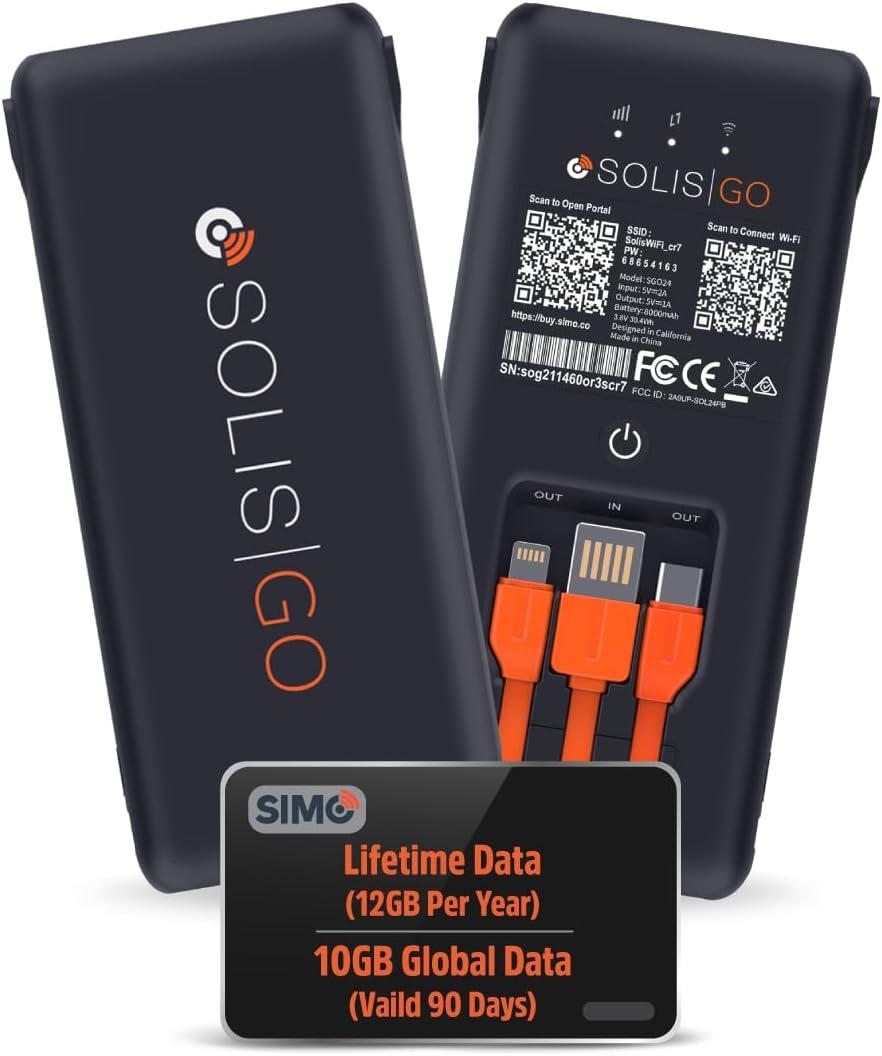
Tested power efficiency of portable wifi vs bridge mode
Tested Power Efficiency of Portable WiFi vs Bridge Mode
In the quest for reliable connectivity on the go, two solutions have emerged as titans: portable WiFi hotspots and bridge mode adapters. Each promises seamless access to the internet, yet their energy demands reveal a nuanced divide.
The SIMO Solis Go and M4 4G LET are portable powerhouses, blending battery life with mobility. The Solis Go, for instance, operates as a 4G hotspot powered by its built-in power bank, sacrificing some efficiency for flexibility. It charges via USB, offering 1GB/month of free data and a 10-device capacity, though its reliance on battery means users must balance power consumption with usage duration. Meanwhile, the M4’s eSIM design streamlines connectivity, eliminating the need for a physical SIM card, but its battery efficiency is still tied to the same trade-offs of portability.
Enter the VONETS Mini Wireless Bridge, a sleek adapter that transforms a wired Ethernet connection into a wireless signal extender. Unlike portable hotspots, it doesn’t require a battery-instead, it draws power directly from the network, making it an energy-sipping design for fixed locations. While it lacks the built-in cables of the Solis Go, its bridge mode operation ensures minimal power drain, ideal for users prioritizing stability over mobility.
So, which reigns supreme? The answer hinges on context: portable hotspots thrive in unpredictable environments, while bridge mode adapters excel in energy-conscious setups. Whether you’re charging on the move or anchoring your network at home, the choice between these technologies is as much about power as it is about purpose.
Tested power efficiency of portable wifi vs bridge mode Read More »