

Price: [price_with_discount]
(as of [price_update_date] – Details)
What is the Best Meat for Kabobs? A Comprehensive Guide
Introduction
When it comes to grilling, few dishes can compete with the mouthwatering allure of kabobs. Whether you’re hosting a summer barbecue or enjoying a cozy family dinner, kabobs are a versatile and delicious option that everyone loves. But what is the best meat for kabobs? This question can lead you down a delightful path of culinary exploration. In this guide, we will delve into the various types of meat that make for perfect kabobs, offering you practical tips and insights to elevate your grilling game.
In this article, we will explore different meats suitable for kabobs, focusing on factors like flavor, tenderness, and cooking methods. By the end, you’ll be fully equipped to choose the best meat for your next kabob feast!
Understanding the Basics of Kabob Meat
1. Choosing the Right Type of Meat
When it comes to kabobs, not all meats are created equal. The best kabob meat tends to be tender and flavorful. Popular choices include chicken, beef, lamb, and pork. Each type of meat offers a unique taste and texture, making it essential to know what you prefer.
Chicken for Kabobs
Chicken is a favorite choice for many, thanks to its mild flavor and adaptability. It absorbs marinades well, allowing you to experiment with different spices and sauces. For kabobs, chicken thighs are often preferred over breasts, as they are juicier and more flavorful.
Beef Kabobs
Beef is another popular option, especially for those who enjoy a robust flavor. Cuts like sirloin, tenderloin, or ribeye work best. These cuts are tender and can be seasoned to perfection, creating a delightful grilling experience.
Lamb Kabobs
For those looking for something a bit more adventurous, lamb is an excellent choice. Its rich flavor pairs beautifully with Mediterranean spices, making it a favorite for kabob enthusiasts. Cuts from the leg or shoulder are ideal for kabobs.
Pork Kabobs
Pork can also make for tasty kabobs. Cuts like tenderloin or shoulder provide a nice balance of flavor and tenderness. When marinated correctly, pork kabobs can be incredibly juicy and flavorful.
2. Marinating Your Meat
No matter which meat you choose, marinating is key to enhancing the flavor. A good marinade should include an acid (like vinegar or citrus juice), oil, and a variety of spices.
Simple Marinade Recipe
For a basic marinade, combine olive oil, lemon juice, garlic, salt, and pepper. Let your meat soak in this mixture for at least 30 minutes, but ideally for several hours or overnight. This will help tenderize the meat and infuse it with flavor.
Cooking Techniques for Perfect Kabobs
3. Grilling vs. Oven Baking
One of the most common ways to cook kabobs is on the grill. Grilling adds a smoky flavor and creates beautiful caramelization on the meat.
Grilling Tips
- Preheat your grill to medium-high heat to ensure even cooking.
- Soak wooden skewers in water for at least 30 minutes to prevent them from burning.
- Rotate the kabobs frequently to achieve an even cook and prevent burning.
If grilling isn’t an option, you can also bake kabobs in the oven. While you may miss out on that smoky flavor, baking can yield delicious results.
Oven Baking Tips
- Preheat your oven to 400°F (200°C).
- Place kabobs on a baking sheet lined with parchment paper.
- Bake for about 15-20 minutes, turning halfway through.
4. Vegetables and Meat Pairings
Incorporating vegetables into your kabobs can enhance both flavor and presentation. Bell peppers, onions, zucchini, and mushrooms complement various meats beautifully.
Veggie Pairing Ideas
- Chicken: Pair with bell peppers and onions for a colorful kabob.
- Beef: Try mushrooms and zucchini to add richness and depth.
- Lamb: Rosemary and cherry tomatoes can enhance the Mediterranean feel.
- Pork: Pineapple and bell peppers add a sweet and savory touch.
Serving Your Kabobs
5. Presentation Matters
Once your kabobs are cooked, presentation is key. Serve them on a large platter with colorful garnishes to impress your guests. Fresh herbs like parsley or cilantro can add a pop of color and freshness.
Dipping Sauces
Don’t forget to offer dipping sauces on the side. Tzatziki, garlic sauce, or a spicy salsa can elevate your kabob experience.
6. Sides That Complement Kabobs
Pair your kabobs with delicious sides to create a well-rounded meal. Consider serving with rice, couscous, or a fresh salad. These sides not only complement the kabobs but also add variety to your table.
Conclusion
In conclusion, the best meat for kabobs ultimately depends on your taste preferences. Whether you opt for chicken, beef, lamb, or pork, each can be transformed into a delightful dish with the right marinade and cooking techniques. Remember to pay attention to pairing your meats with the right vegetables and sides to create a memorable dining experience.
Now that you know the ins and outs of kabob meat selection, it’s time to fire up the grill and start experimenting with your favorite flavors. Happy grilling!
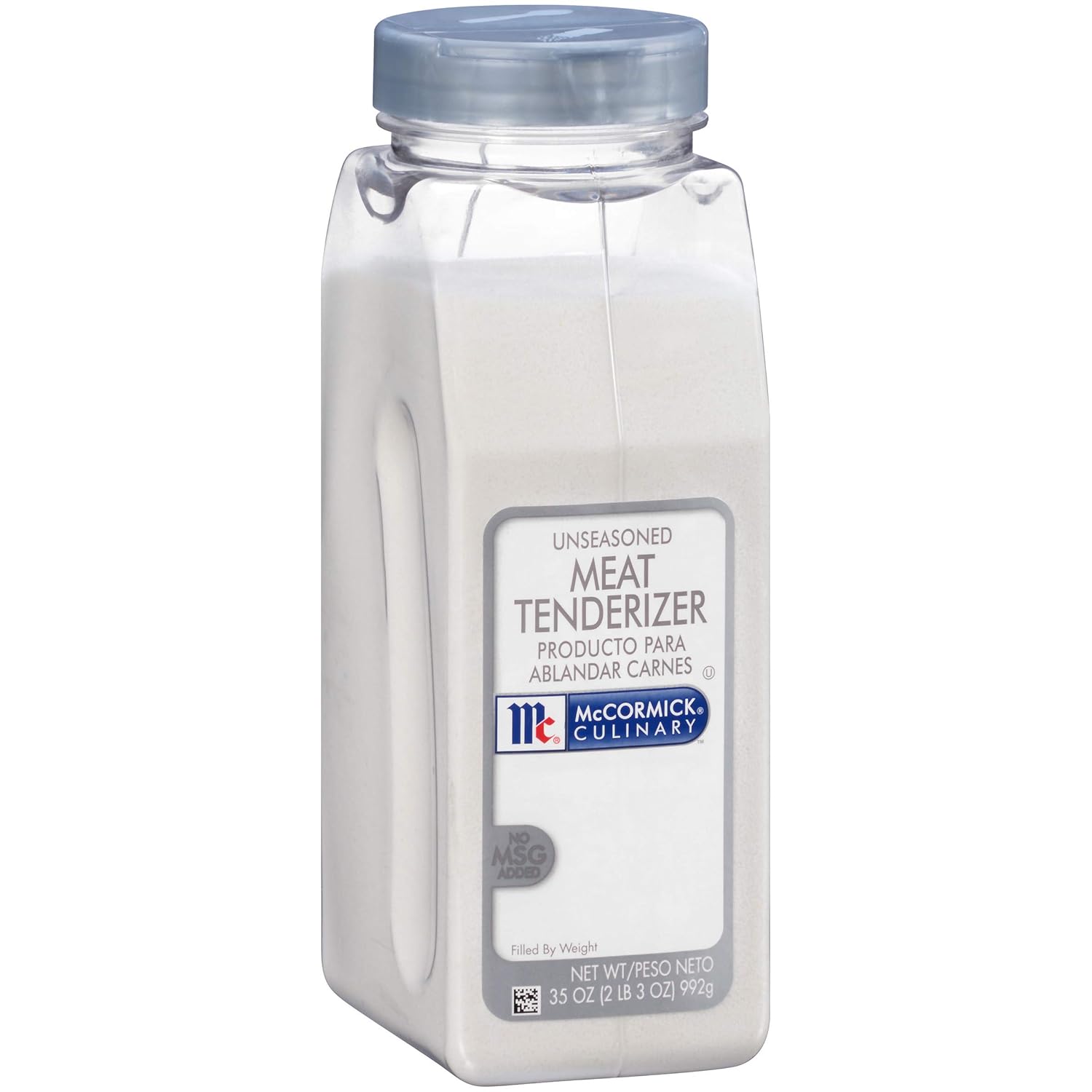
JUICY, TENDER TASTE: Make your signature meat dishes undeniably juicy and delicious with McCormick Culinary Unseasoned Meat Tenderizer; tenderizer has no taste, so your protein’s natural flavors can shine through
PREMIUM TENDERIZER SEASONING: Made with premium tenderizing ingredients to help you achieve fall-off-the-bone recipes; quality tenderizing agents ensure you serve the highest-quality meat-based dishes
MADE FOR CHEFS: Crafted especially for culinary professionals, this meat tenderizer spice comes in a 35-ounce container perfect for commercial use; ideal for bulk batches and lasting value
VERSATILE PANTRY ESSENTIAL: Works well with all kinds of proteins, from beef briskets to grilled steak and kabobs; enzymes break proteins down and make them tender, a quality associated with premium cuts of meat
FEEL GOOD FLAVOR: Kosher and made with no added MSG for impressive meat dishes you can feel good about serving your customers; apply the tenderizer and cook immediately; leave thicker cuts for up to 30 minutes before cooking