Finding Freedom Through Forgiveness: A Journey with Lysa TerKeurst
In a world filled with hurt adn disappointment, it’s easy too feel trapped in the painful memories of our past. Many of us have experienced moments that leave us questioning our ability to move forward-resentment becomes a familiar companion,and forgiveness feels like an impossible task. That’s why we were drawn to Lysa TerKeurst’s transformative book, “Forgiving What You Can’t Forget: Discover How to Move On, Make Peace with Painful Memories, and create a Life That’s Lovely Again.”
As we embarked on this journey alongside Lysa, we found her heartfelt wisdom and deep empathy a soothing balm for our wounded hearts. Her voice resonated with our struggles, reminding us that we aren’t alone in our longing for peace. Lysa’s insights, born from over a thousand hours of theological study and personal grappling with grief and betrayal, offer a guide that feels both practical and compassionate.
In this review, we’ll delve into how this book invites us to confront our pain, offering a transformative step-by-step process for embracing forgiveness - even when the people who have hurt us remain unrepentant. Through Lysa’s eyes, we were able to explore not just the act of forgiving, but the profound healing waiting on the other side. So, if you’ve found yourself burdened by painful memories and seeking solace, join us as we explore the powerful revelations within this unusual book. Together, let’s discover what it truly means to let go and create a life filled with beauty once again.
Table of Contents
Exploring the Journey of Forgiveness and Healing

through “Forgiving What You Can’t Forget” resonates deeply with all of us who have struggled with painful memories. this thought-provoking book by Lysa TerKeurst provides a roadmap for moving on from hurt and finding peace amidst turmoil.We often find ourselves in situations where it feels impossible to forgive, clinging to anger or bitterness as if it shapes our identity. However, the insights shared in the pages of this book guide us toward understanding that healing is not only necessary but also possible.
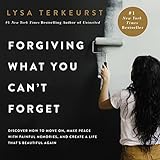
From our first read, it’s clear that this journey isn’t about dismissing our pain but rather acknowledging it. Lysa’s ability to share her own vulnerabilities creates a safe space for us to explore our feelings.As we dive into the text,we’re reminded that forgiveness isn’t a one-time action but an ongoing process that requires patience and self-compassion. Each chapter unfolds with encouragement, pushing us gently to confront hard truths while equipping us with practical steps that help us navigate our emotions and thoughts around forgiveness.
We notably appreciate how lysa doesn’t sugarcoat the reality of our struggles. Instead, she emphasizes that it’s okay to feel angry and hurt. We can relate to her honest discussions about the challenges of forgiving those who have deeply wounded us. The book serves as a comforting companion, validating our experiences while encouraging us to seek freedom from the bondage of unresolved pain. The powerful blend of biblical teachings and personal anecdotes allows us to soak in wisdom while concurrently reflecting on how we can apply these lessons in our own lives.
Moreover, the recommendation to pair this book with “The Forgiveness Journal” enhances our journey toward healing. Writing down our thoughts and emotions helps clarify our feelings and provides an outlet for the turbulence we may encounter. We frequently enough shy away from journaling, but Lysa’s guided questions make it less daunting and more manageable. Together, these resources empower us to process everything we are learning about forgiveness in a way that is meaningful and personal. Through this journey of forgiveness and healing, we find hope and the promise of a more beatiful life ahead.
Discovering Key Features That Transform Our Perspective
Forgiving What You Can’t Forget has become an essential read for anyone grappling with the weight of unresolved pain. Lysa TerKeurst guides us through a journey of healing that emphasizes the importance of forgiveness as an active, transformative process. In her relatable tone, she invites us to acknowledge our struggles, assuring us that we are not alone. With its powerful insights, this book has the potential to shift our perspective and help us cultivate a life filled with peace and grace.
One remarkable feature that stands out is Lysa’s ability to intertwine personal stories with biblical wisdom. This combination creates a sense of connection that feels like a warm conversation with a freind who entirely understands our pain. Rather than offering mere theoretical solutions, she provides genuine, actionable steps to navigate the complexities of forgiveness. We find ourselves immersed in her narrative, and as each page unfolds, it becomes clear that her heartfelt approach can genuinely change our outlook on the hurt that has held us captive for too long.
Moreover,the book doesn’t shy away from illustrating the challenges of forgiveness. Lysa’s vulnerability reflects the raw feelings we frequently enough harbor-anger, bitterness, and confusion. In doing so, she reassures us that it’s okay to feel overwhelmed. This realism helps us comprehend that the road to forgiveness isn’t always linear. Instead, it’s filled with moments of reflection, growth, and occasional setbacks. Her honesty allows us to embrace our feelings as valid, paving the way for our own healing journey.The structured approach to forgiveness featured in this book plays a transformative role in how we process our painful memories. Lysa presents a step-by-step guide that empowers us to confront our past, embrace forgiveness, and ultimately reclaim our lives. By offering practical tools, such as journaling prompts and biblical verses, we are encouraged to reflect on our experiences deeply. This aspect of the book invites us to actively participate in our healing process, making it a truly interactive journey.By the end of our time with this book, we find ourselves not only inspired but also equipped with the tools we need to move forward. Lysa TerKeurst reminds us that seeking forgiveness and understanding is not just about the pain we carry; it’s about opening ourselves up to a beautiful life ahead. This journey isn’t just for the heartbroken; it’s a transformative experience for anyone looking to find peace amidst turmoil.
Unearthing the Insights and lessons Embedded Within
Forgiving what You Can’t Forget has opened our eyes to essential insights about the journey towards forgiveness. we’ve all been in situations where pain and resentment feel overwhelming.Lysa TerKeurst shares her experiences with such raw honesty that it’s easy to see ourselves in her stories. She doesn’t shy away from discussing the heavy feelings associated with forgiveness and how essential it is indeed to process them rather than just brush them aside.
One of the most meaningful lessons we discovered is that forgiveness doesn’t mean condoning the wrong done to us. Rather, it’s about releasing our own emotional chains. Lysa beautifully articulates that moving on isn’t about others, but about freeing ourselves from the bitterness that weighs us down. The moment we grasp that forgiveness is a gift we give ourselves, the path to healing becomes clearer. We can learn to break free from cycles of hurt by embracing the uncomfortable emotions and allowing them to guide us to a place of peace.
Additionally, Lysa introduces practical steps throughout the book that help us tackle our emotional baggage. we love how she emphasizes the importance of journaling. Writing down our thoughts and feelings not only helps clarify our emotions but also enables us to process them in a safe space. Each chapter encourages us to reflect on specific questions that resonate deeply,allowing us to embrace our personal journey of forgiveness in a way that feels authentic and productive.One pivotal insight Lysa provides is that forgiveness is frequently enough misinterpreted as a one-time event. Instead, she illustrates it as an ongoing process requiring patience and effort. This understanding is liberating. Knowing that it’s okay to revisit our feelings and struggles makes the journey less daunting. As we engage with the material, we find ourselves more equipped to handle past traumas and advance towards healing.
Ultimately, the insights and lessons woven into the pages offer both comfort and challenge. This book urges us to understand our pain without letting it define us. We walk away feeling empowered, armed with tools that help shift our perspectives toward forgiveness, compassion, and ultimately, freedom from our own emotional burdens.
Navigating Our Emotional Landscapes with Practical Strategies
When we think about navigating our emotional landscapes, one of the most challenging aspects we face is dealing with painful memories. Forgiveness isn’t just a nice concept; it’s a process we desperately need. that’s where this insightful resource comes into play. The book offers us practical strategies for moving on from those haunting memories and finding a path to peace. Having gone through similar struggles, it feels comforting to know we aren’t alone in this journey. This book gently guides us through the maze of resentment and turmoil, allowing us to embrace healing gradually.
As we dive into the pages of this book, we can feel Lysa TerKeurst’s heartfelt words resonating with our experiences. It’s as if she’s reaching directly into our pain and speaking with empathy and understanding. The practical tips and biblical wisdom she shares serve as tools for us to dismantle our emotional hurdles. What I appreciate the most is how she covers all aspects of forgiveness. The relatable stories she shares remind us that forgiveness isn’t a one-size-fits-all process-it’s deeply personal and frequently enough messy. We find ourselves nodding along,realizing that her struggles echo our own,and this commonality offers a sense of connection as we navigate our own emotional landscapes.
What’s more, the book doesn’t shy away from the reality that forgiveness is hard. It’s not about dismissing our pain; rather, it’s about acknowledging it while simultaneously choosing to let it go. This nuanced approach resonates deeply, pushing us to understand that healing is within our grasp, even if it feels daunting. The engaging narrative pulls us in,making it a compelling read. It encourages us to take one small step at a time, promoting gentle persistence. The exercises alongside the reading help us confront our emotions head-on, transforming our understanding of forgiveness into actionable steps that lead to real change.
Ultimately, this emotional journey isn’t just about moving on. It’s about understanding and reclaiming our lives.TerKeurst reminds us that just as we are capable of deep hurt, we are also capable of profound healing. As we work through our past, we can slowly cultivate a life that shines with beauty, hope, and resilience. This book isn’t merely a guide; it’s a friend,offering a hand as we venture through our emotional landscapes and helping us forge a new path toward peace. If you’re looking for a thoughtful way to navigate through unresolved pain, investing in this book could be one of the best decisions we make on our healing journey. Buy Now on Amazon
Embracing the Path to Renewal and a Beautiful Life Again
When we think about embracing the path to renewal and living a beautiful life again, we often focus on forgiveness as a pivotal step in that journey. “forgiving What You Can’t Forget” delves into the heart of forgiving others, especially when it’s our own painful memories that weigh us down. We’ve found that this book resonates deeply with many of us who have battled the burdens of resentment and hurt. It’s not just an exploration of historical wrongs; it’s an invitation to heal and reclaim our narrative amidst the chaos of unresolved pain.
Lysa TerKeurst offers a compassionate perspective on this crucial topic. She understands the struggle we face when we say we forgive but feel stuck reliving the offense. Each page feels like a gentle nudge towards liberation,wrapped in empathy and biblical wisdom.We appreciate how Lysa isn’t just handing out platitudes; she’s walking beside us through this tough terrain. The personal stories and spiritual insights she shares make the process relatable and feel like a friend’s conversation rather than a lecture.
Moving through her insights, we discover it’s not about forgetting those who hurt us, but rather freeing ourselves from the gripping weight of their actions. Each chapter guides us on how to confront our memories, embrace the resulting grief, and still cultivate a life that radiates beauty and peace. The journey to renewal can be daunting, yet it’s incrementally achievable through the steps Lysa lays out, making the emotional labor of forgiveness accessible for all.
Additionally, embracing the accompanying “Forgiveness Journal” enhances our experience, providing a safe space for our thoughts and reflections. It’s in this sacred writing where we can process our emotions fully, untangle the complexities of our pain, and visualize the path to our renewed selves. With faith as our foundation and Lysa’s earnest encouragement as our guide, we find ourselves not only understanding forgiveness better but also witnessing its transformative power in our lives.
Customer Reviews Analysis
Customer Reviews Analysis
In analyzing the customer reviews for Forgiving What You Can’t Forget, we find a rich tapestry of experiences that showcase the book’s impact on its readers. the feedback paints a largely positive picture, emphasizing the author’s heartfelt approach to a complex subject like forgiveness.
Emotional Resonance
Many readers expressed how deeply moving the book was, with several citing tears and personal reflections as they navigated through its content. One reviewer noted, ”Lysa was so open and honest about her struggles,” which resonated with readers who appreciated her vulnerability. This emotional connection is a common thread in multiple reviews, highlighting Lysa TerKeurst’s ability to make her readers feel seen and understood.
Practical Guidance and Insights
Reviewers often commended Lysa for providing practical steps and spiritual insights rather than quick fixes. The structure of the book, including Bible verses and journal prompts, has been particularly beneficial for many. One reader remarked, “I believed reading this book is not going to be anywhere near as effective unless you’re willing to take a step back and write out what you’ve learned.” This implies a strong synergy between the reading experience and personal reflection.
Mixed Reactions on Content Execution
While the beginning and middle of the book received widespread acclaim, some readers felt the conclusion was rushed or negative. As an example, one reviewer shared that “the late middle to the end started to have a lot of personal stories,” which they found distracting.A few mentioned a lack of clarity in how to move past bitterness,indicating that not every aspect resonated positively towards the end. This suggests a need for a more balanced resolution to the journey Lysa embarks her readers on.
Recommendations and Endorsements
Despite some criticisms, many readers highly recommend the book for anyone grappling with forgiveness or seeking a new perspective on pain. Phrases like ”highly recommended” and “must purchase” could be found throughout the reviews, further confirming that the book can serve as a valuable resource for those struggling with their own narratives of hurt.
Summarizing Customer Perspectives
| Aspect | Feedback |
|---|---|
| Emotional Impact | Deeply moving, relatable experiences |
| Practical Guidance | helpful steps and spiritual insights |
| Conclusion | Mixed reactions, felt rushed or lesser quality |
| Overall Recommendation | Highly recommended for forgiveness struggles |
Forgiving What You Can’t Forget has clearly touched many hearts and inspired self-reflection. While it is not without its criticisms, the consensus among readers is that this book can be a powerful catalyst for personal growth and healing.
Pros & Cons
pros & Cons of “forgiving What You Can’t Forget”
As we dive into Lysa TerKeurst’s insightful self-help book, “Forgiving What you can’t Forget,” let us explore some of the key pros and cons of this notable read. By weighing these factors, we can better understand if this book is the right fit for our personal journeys toward healing and forgiveness.
| Pros | Cons |
|---|---|
|
Empathetic Approach: Lysa’s deep empathy makes her advice feel relatable and comforting, especially for those grappling with painful memories. |
Religious Bias: While Lysa’s biblical insights are uplifting for many, they may not resonate with readers who prefer secular approaches to healing. |
| Practical Steps: The book offers a step-by-step process for overcoming hurt, making it accessible and actionable for readers looking for guidance. | Lengthy Narratives: Some readers might find the personal stories a bit lengthy,potentially making it harder to focus on the main teachings. |
|
Transformational Insights: Lysa’s experiences and insights into forgiveness can serve as a powerful motivator for personal change and growth. |
Emotional Content: For those still processing their pain, the emotional depth of the book can be triggering or overwhelming. |
|
supportive Community: The book encourages readers to connect with others on similar journeys, fostering a sense of belonging and shared understanding. |
Assumption of Beliefs: Readers who do not align with Lysa’s religious beliefs may find difficulty relating to some of the book’s foundational concepts. |
while “Forgiving What You can’t Forget” offers numerous benefits for those seeking healing and guidance, it’s vital to consider the potential drawbacks. Ultimately, our individual needs and preferences will determine whether this book serves our aspirations for forgiveness and personal peace.
Q&A
Q&A Section: Forgiving What You Can’t forget
Q1: Who is the author of “Forgiving What you Can’t Forget”?
A1: The book is authored by Lysa terkeurst, a #1 New York Times bestselling author known for her profound insights on personal growth and healing through a biblical lens.
Q2: What is the core message of this book?
A2: The core message emphasizes the importance of forgiveness, even when the person who hurt us has not changed or apologized. Lysa guides us through a process of letting go of resentment and finding peace,encouraging us to reclaim our lives from painful memories.
Q3: How does Lysa incorporate scripture into the book?
A3: Lysa intertwines her observations and experiences with biblical teachings, drawing from over 1,000 hours of theological study. This foundation allows her to present a balanced view that offers spiritual depth while addressing real-world struggles associated with forgiveness.
Q4: Is this book suitable for anyone dealing with unresolved pain?
A4: Absolutely. Whether we’ve experienced betrayal, loss, or trauma, this book speaks to anyone who feels trapped in a cycle of pain. Lysa’s empathetic voice provides comfort and a clear path forward, making it a valuable resource for all seeking healing.
Q5: What are some practical steps we can expect to learn from the book?
A5: Lysa presents a step-by-step process for moving on from hurt. These steps include identifying emotional triggers, understanding the roots of our resistance to forgiveness, and embracing the theological principles of letting go, which can empower us to break free from past pain.
Q6: Can we find personal stories in the book?
A6: Yes, Lysa shares her personal journey through heartache, providing relatable stories that many of us can connect with. Her candidness not only makes her advice easier to digest but also reaffirms that we’re not alone in our struggles.
Q7: How does this book stand out from other self-help books on forgiveness?
A7: “Forgiving What you Can’t Forget” uniquely combines psychological insights with biblical wisdom. while many self-help books focus solely on practical strategies, Lysa delves deeper into the emotional and spiritual dimensions of forgiveness, offering a comprehensive approach to healing.
Q8: What kind of audience would benefit the most from this book?
A8: This book is particularly beneficial for readers who are open to exploring forgiveness through a spiritual lens and for those who have felt stuck due to painful memories.Anyone looking to gain a fresh perspective on healing and re-establishing peace in their lives will find it enlightening.
Q9: Is it necessary to have a religious background to appreciate this book?
A9: Not necessarily. While Lysa does incorporate scripture and biblical themes, the worldwide concepts of healing, forgiveness, and personal growth resonate with readers from various backgrounds. Whether we identify with the faith aspect or not, the emotional truths are widely applicable.
Q10: How do we purchase “Forgiving What You Can’t Forget”?
A10: The book is widely available through major retailers, both online and in physical bookstores. We can easily find it on platforms such as Amazon, Barnes & Noble, and local bookstores, ensuring it’s accessible for anyone ready to begin their journey of forgiveness and healing.
In summation, we believe that “Forgiving What You Can’t Forget” is a heartfelt guide for those of us longing to break free from our past pains and create a brighter, more beautiful future. Let’s embark on this transformative journey together!
Experience Innovation
As we close our review of “Forgiving What You Can’t Forget,” we find ourselves reflecting on the powerful journey that Lysa TerKeurst invites us to embark upon. This book is not just a collection of ideas; it’s a heartfelt guide through the often tumultuous waters of pain and forgiveness.With her compassionate insights and biblical wisdom, Lysa has crafted a tool that can genuinely help us reclaim our lives and find healing, no matter the depth of our hurt.
In our quest for peace, we’ve learned that we carry both the weight of our past and the promise of a brighter future. “Forgiving What You Can’t Forget” encourages us to release what binds us and to embrace the beauty of moving forward.It’s a message we all desperately need to hear: we are not alone in our struggles,and forgiveness is indeed a path to freedom.
If you’re ready to take that first step toward healing, we highly recommend picking up a copy of this transformative book. Let Lysa’s words guide you in creating a life filled with hope and renewal. Together, let’s turn the page towards forgiveness and freedom.
Ready to start your journey? Click here to explore the book further: Forgiving what You Can’t Forget.